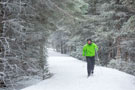
 Cross-country skiing
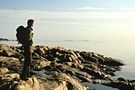 Hiking
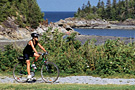 Biking
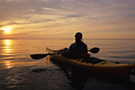 Sea Kayaking
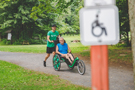 Equipment for persons with reduced mobility
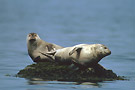 Wildlife Watching
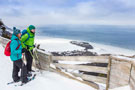 Snowshoeing
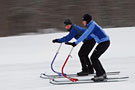 Kicksled
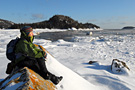 Winter Hiking
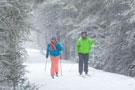 Backcountry Skiing
 Geocaching
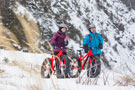 Fatbike
 Snow tubing
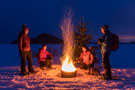 Randonnée au clair de lune
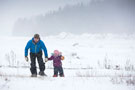 Rallye toutous
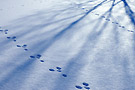 Randonnée sur les traces de l’hiver
 Tire sur la neige
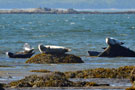 À la rencontre des phoques
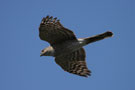 Observation des oiseaux de proie lors de la migration printanière
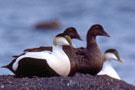 Plumes et duvet
 Curieux de nature
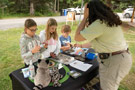 Apprenti garde-parc
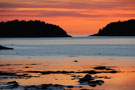 Veillée au coin du feu
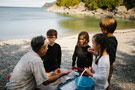 Trésors du littoral
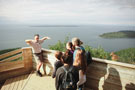 Des montagnes nées de la mer
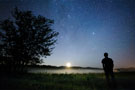 Activité de soirée : Lumière sur les étoiles
 Activité de soirée : SOS chauves-souris
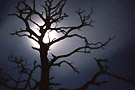 Randonnée nocturne « À la tombée du jour »
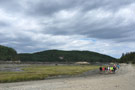 Randonnée « Un paysage en continuelle évolution »
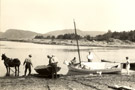 Regard sur le passé
 Bain de nature
 Bain de forêt
 School activities in nature
Be Informed
Sign up for Sépaq emails to be the first to find out about our promotions, news and special offers.
Located in the St. Lawrence Estuary, Parc national du Bic proudly showcases its capes, bays, coves, islands, and mountains. The park's atmosphere is unique. Think of the sounds and smells of the sea or the caress of a maritime breeze. Imagine a breathtaking sunset, considered to be one of the world's finest. Seabirds come to nest in the park, and rare plants bloom on its rocky capes. Visitors are delighted by seals basing in the sun near the shore. It's beautiful, peaceful and relaxing...
Consult the Discovery Guide Consult the conservation newsletter Consult the map of the territories covered by the ban on open fires
There is a limit to the number of visitors that can enter a national park on any given day. It is therefore strongly recommended that you purchase your right of access online before a visit or that you acquire an annual pass. This guarantees you access to the park, will ensure a smoother arrival at the site and avoid unnecessary travel when the maximum capacity is reached. It can be purchased up to 30 days before a visit. You may be denied access to a sector, a trail, or an activity if a parking lot is full or if the maximum capacity has been reached.

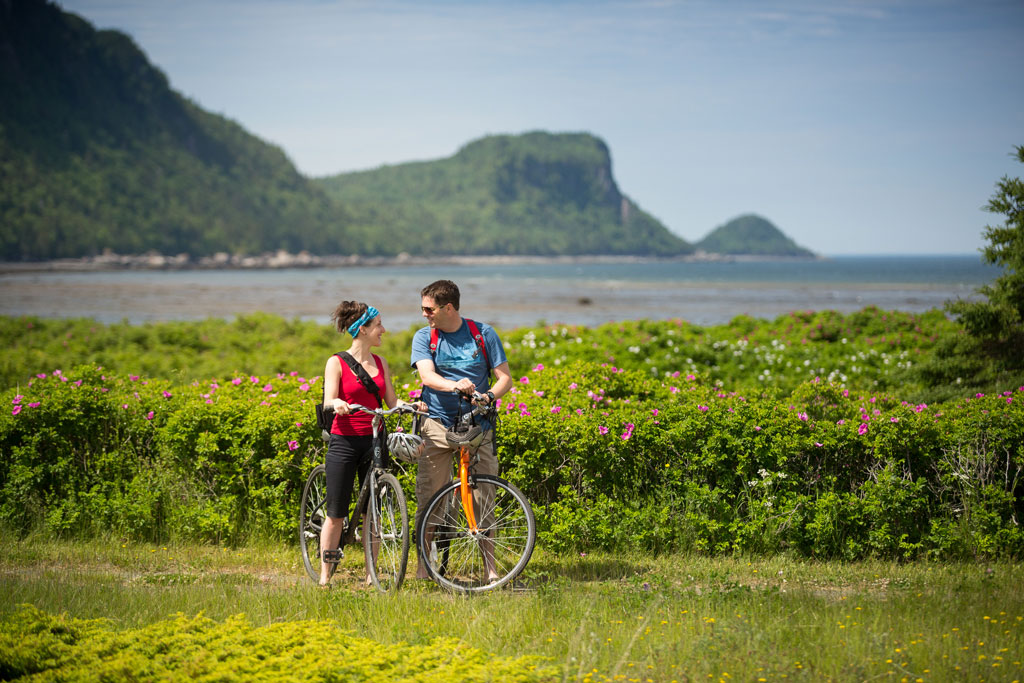
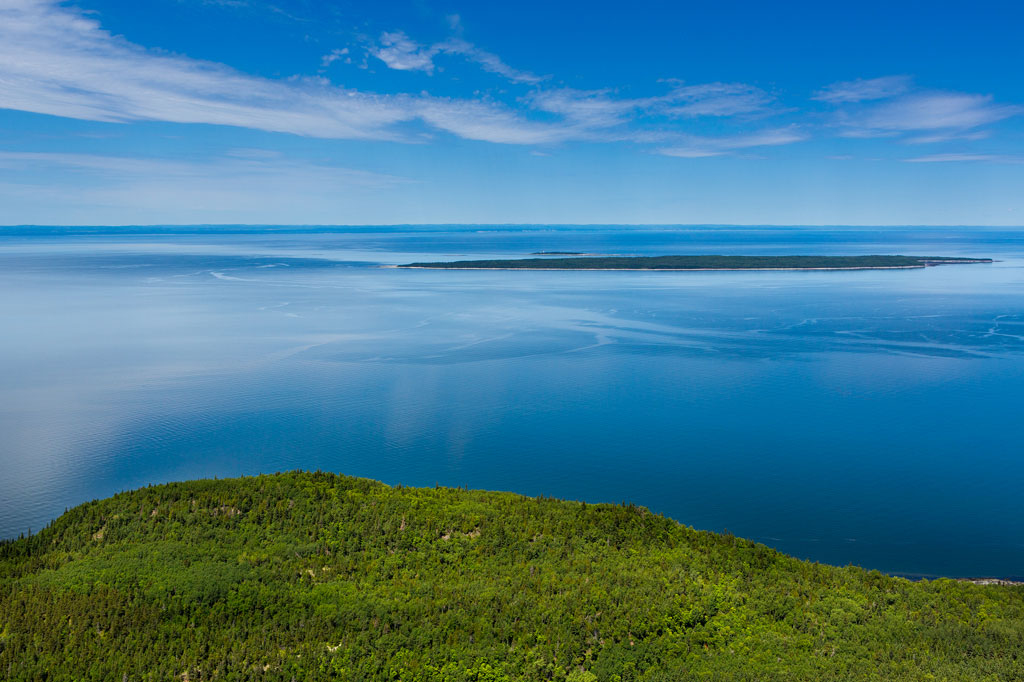
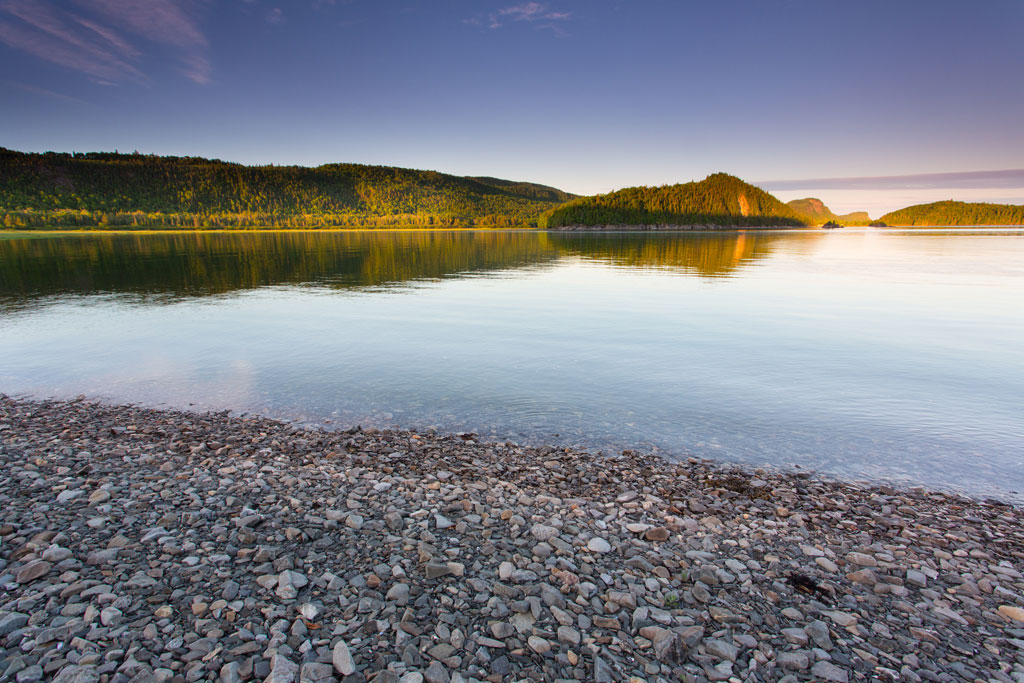
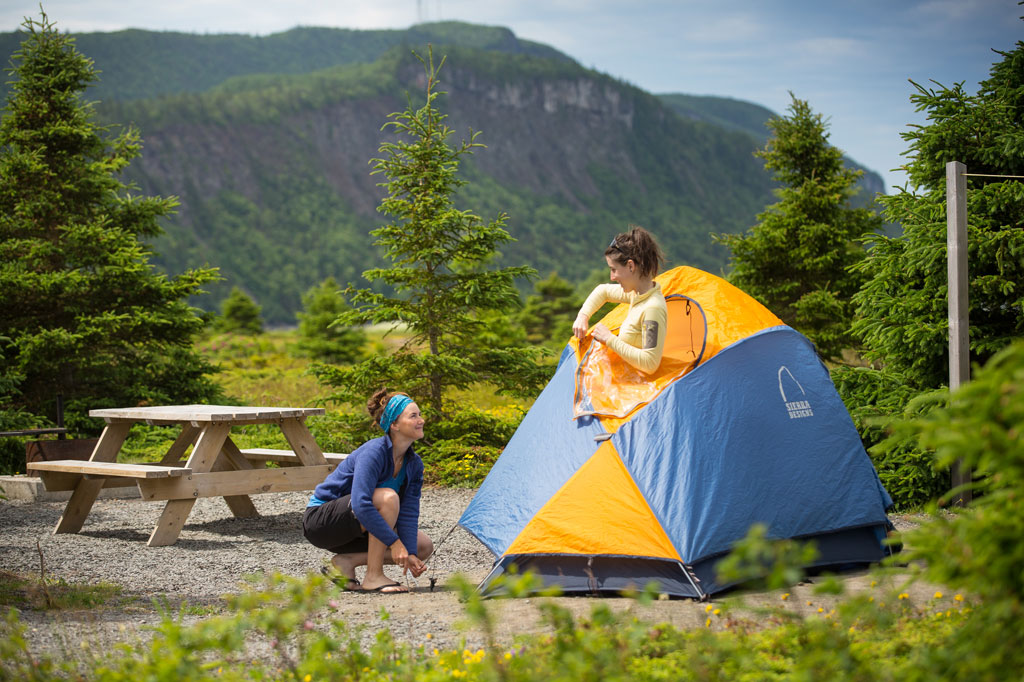
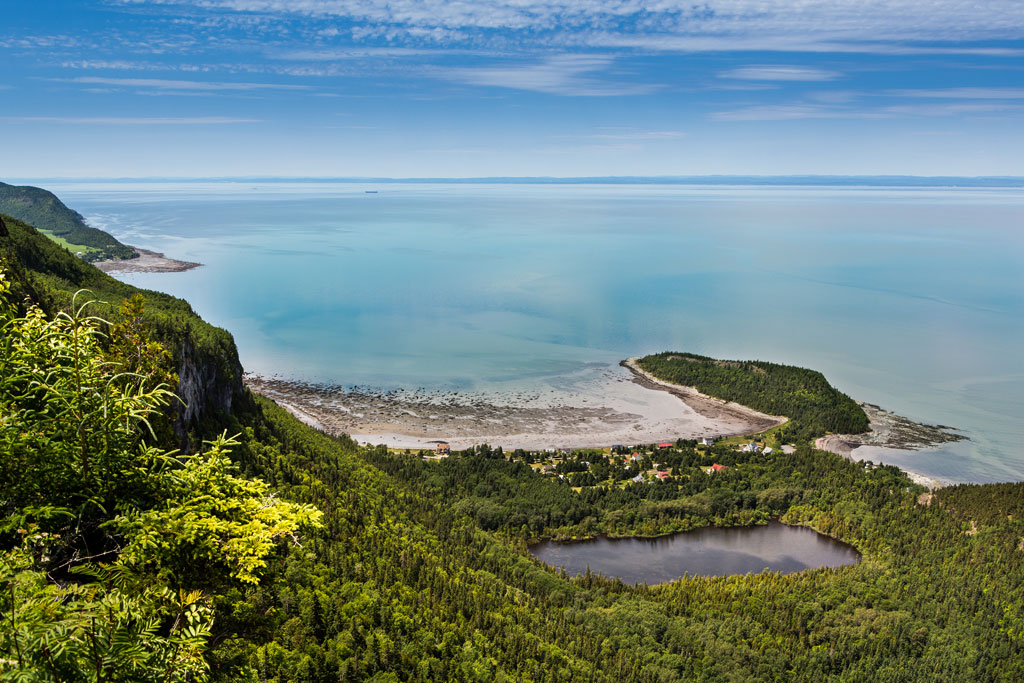
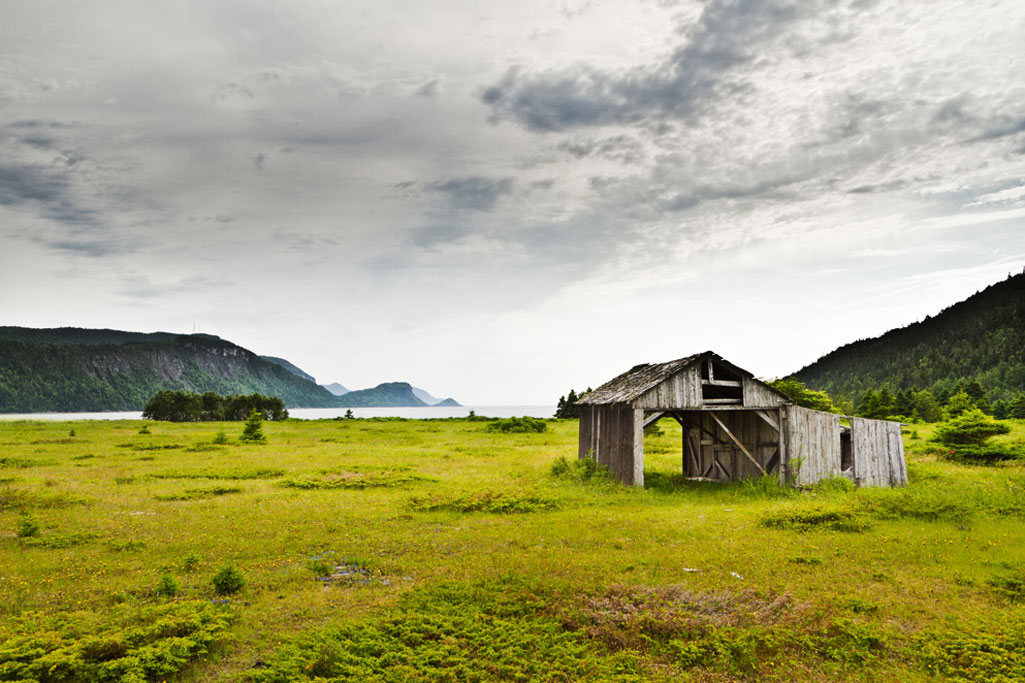
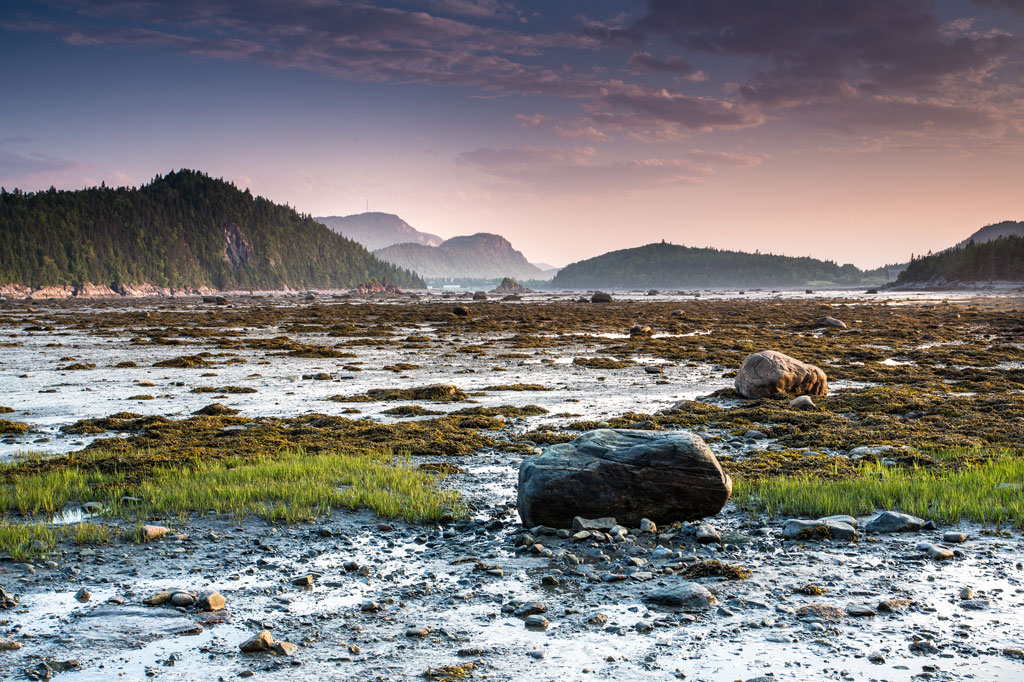
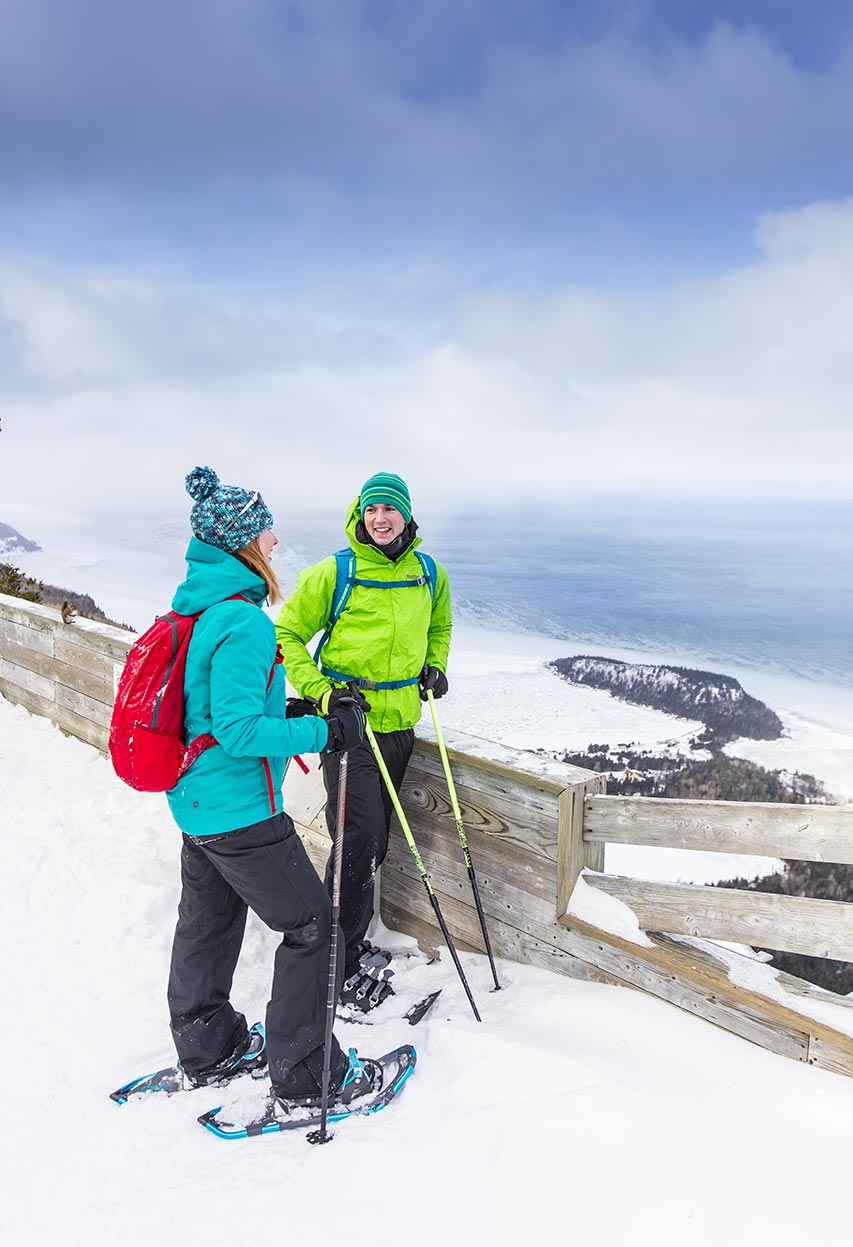
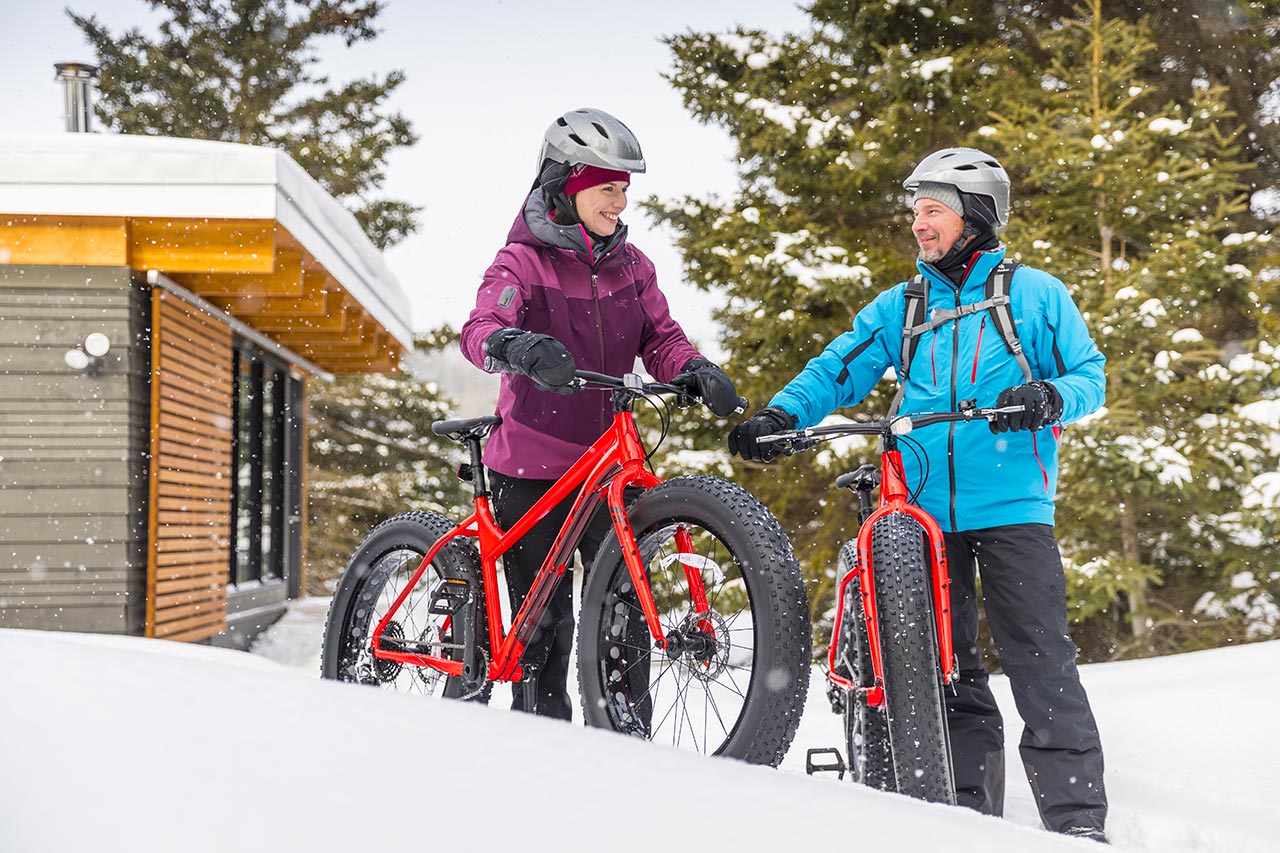
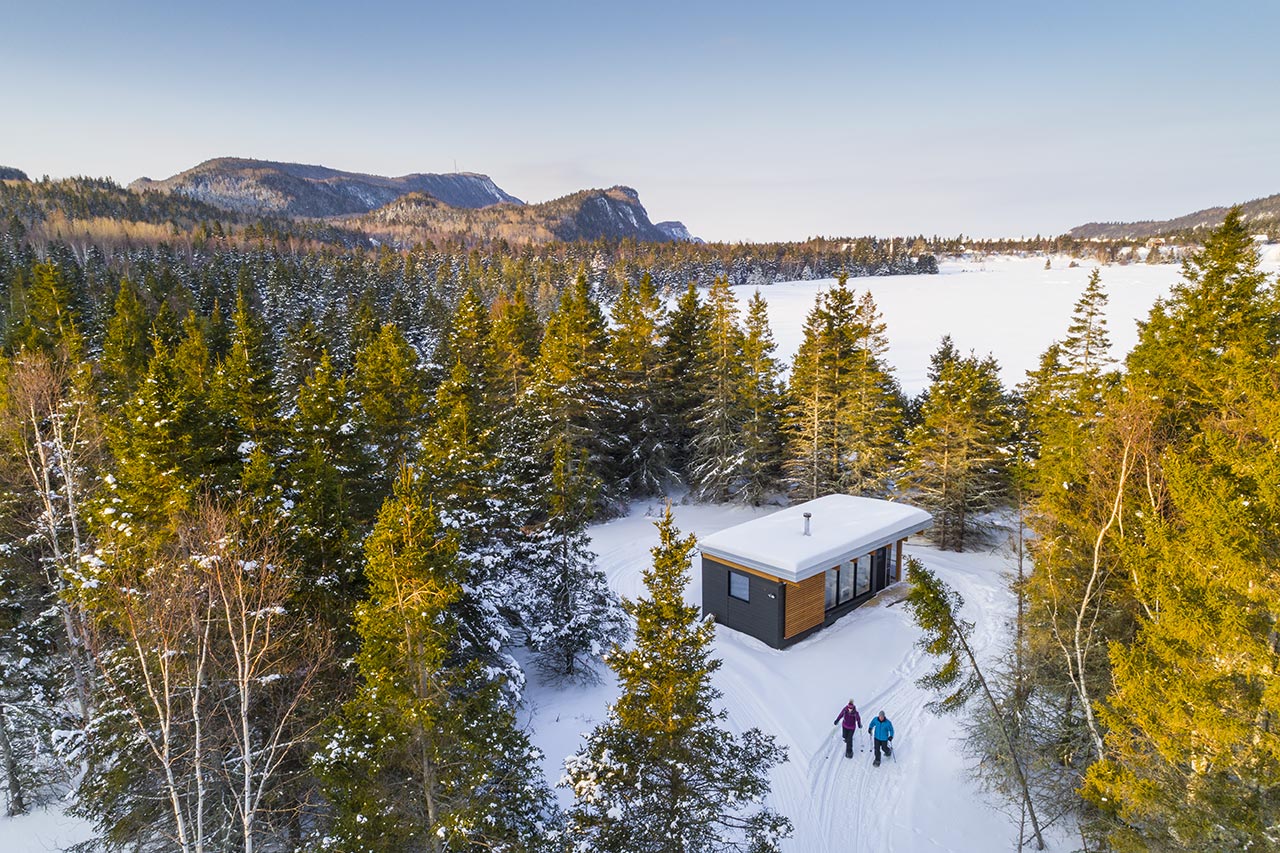
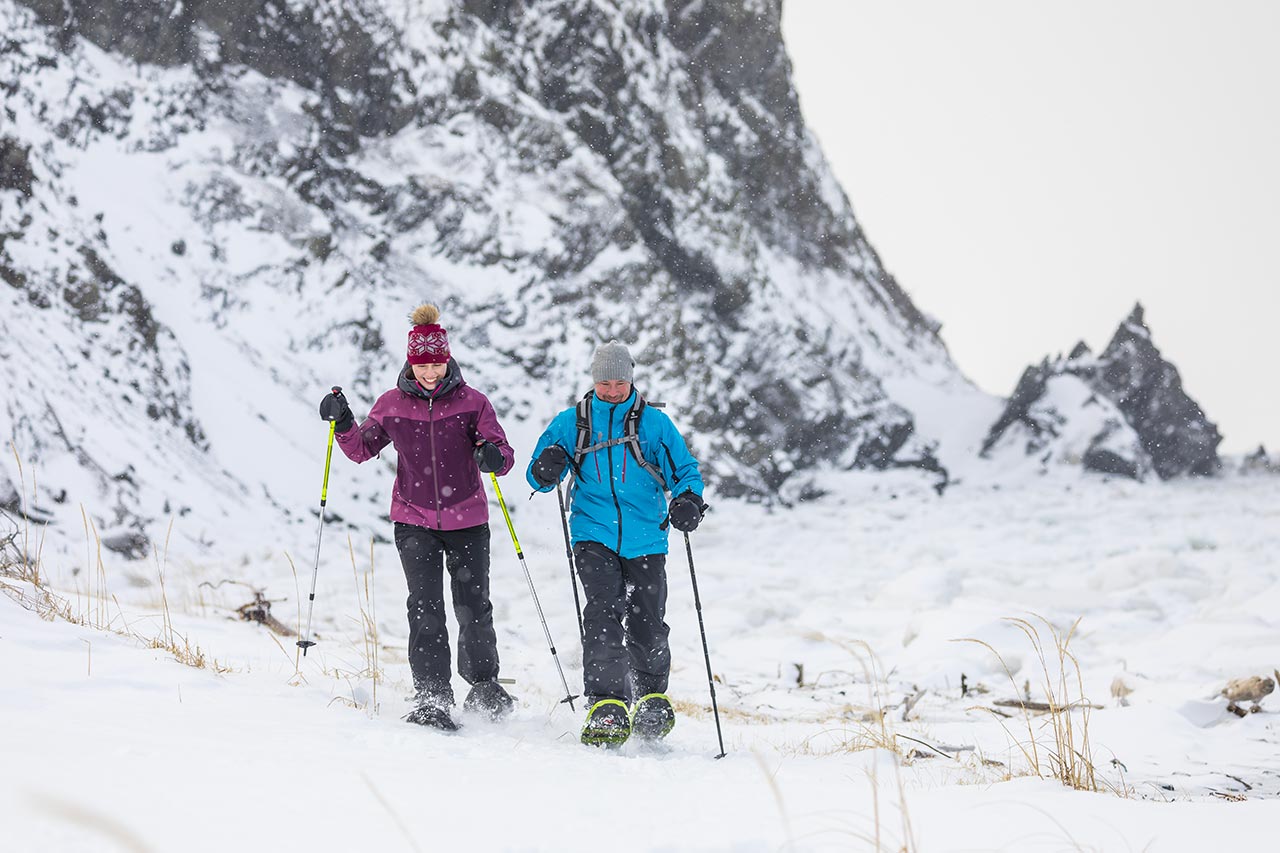
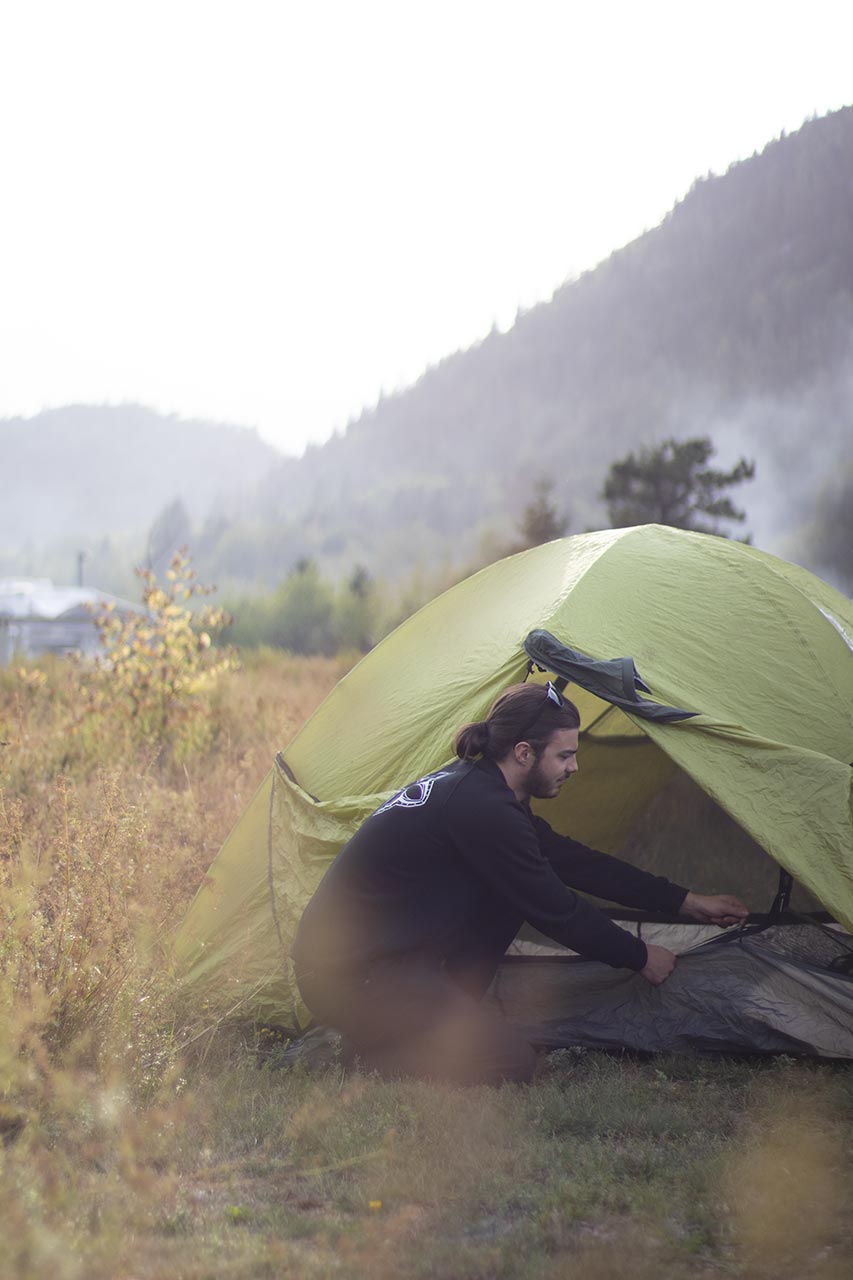
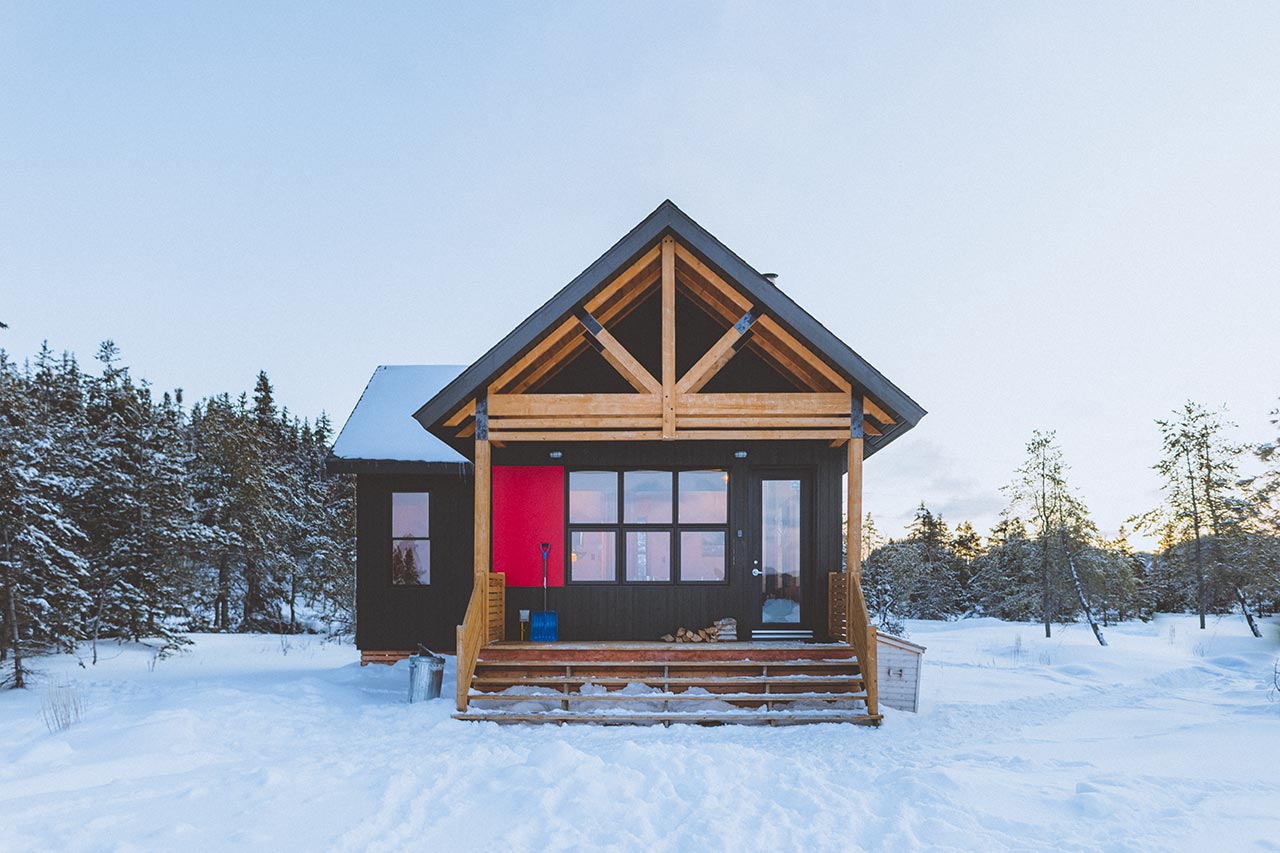
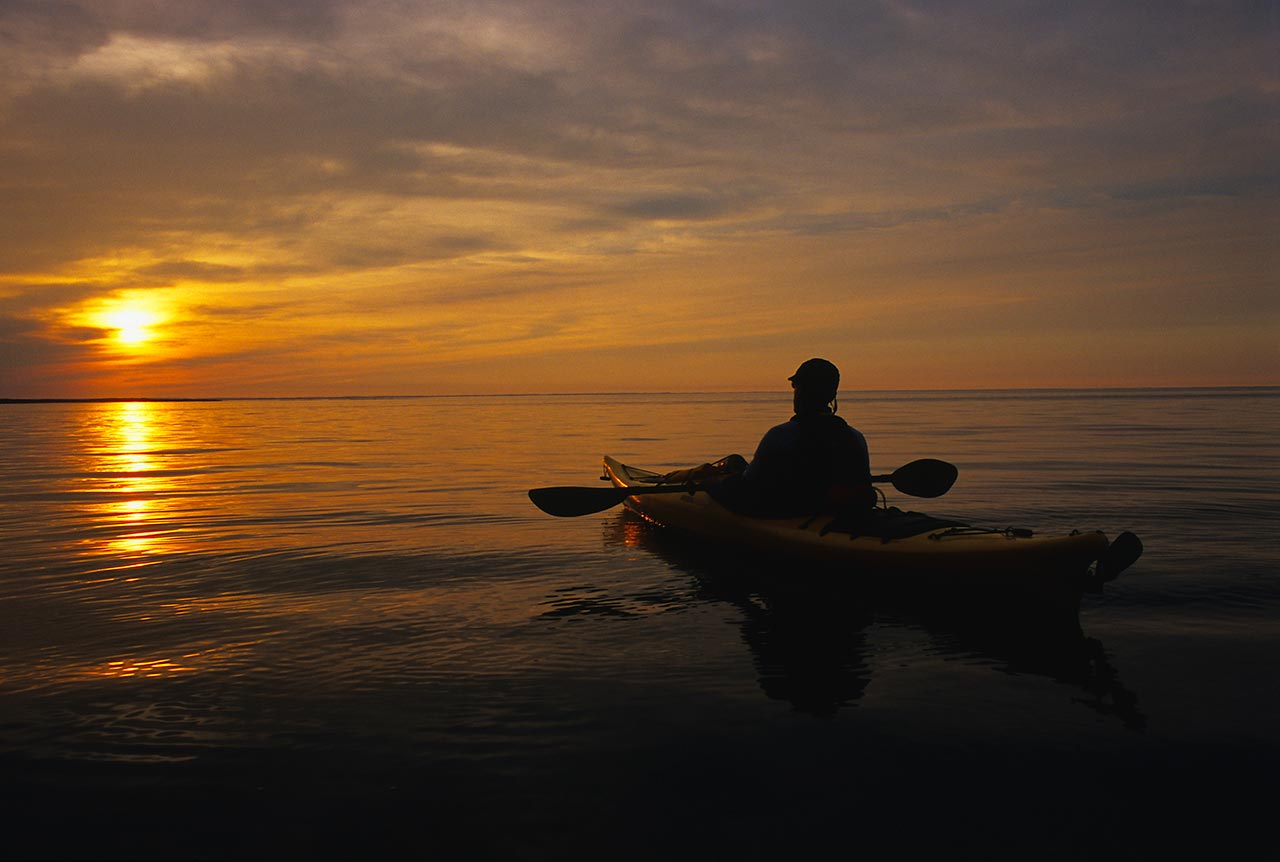
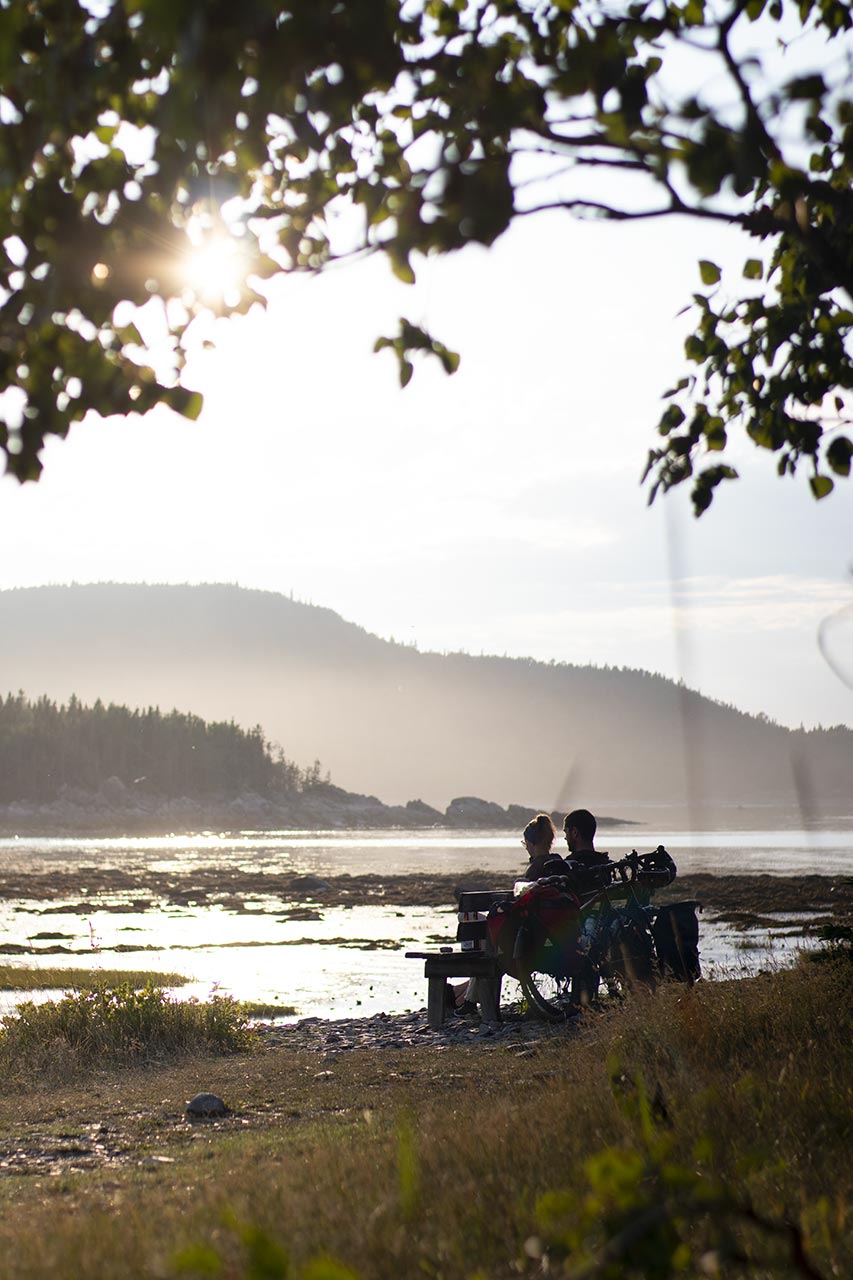
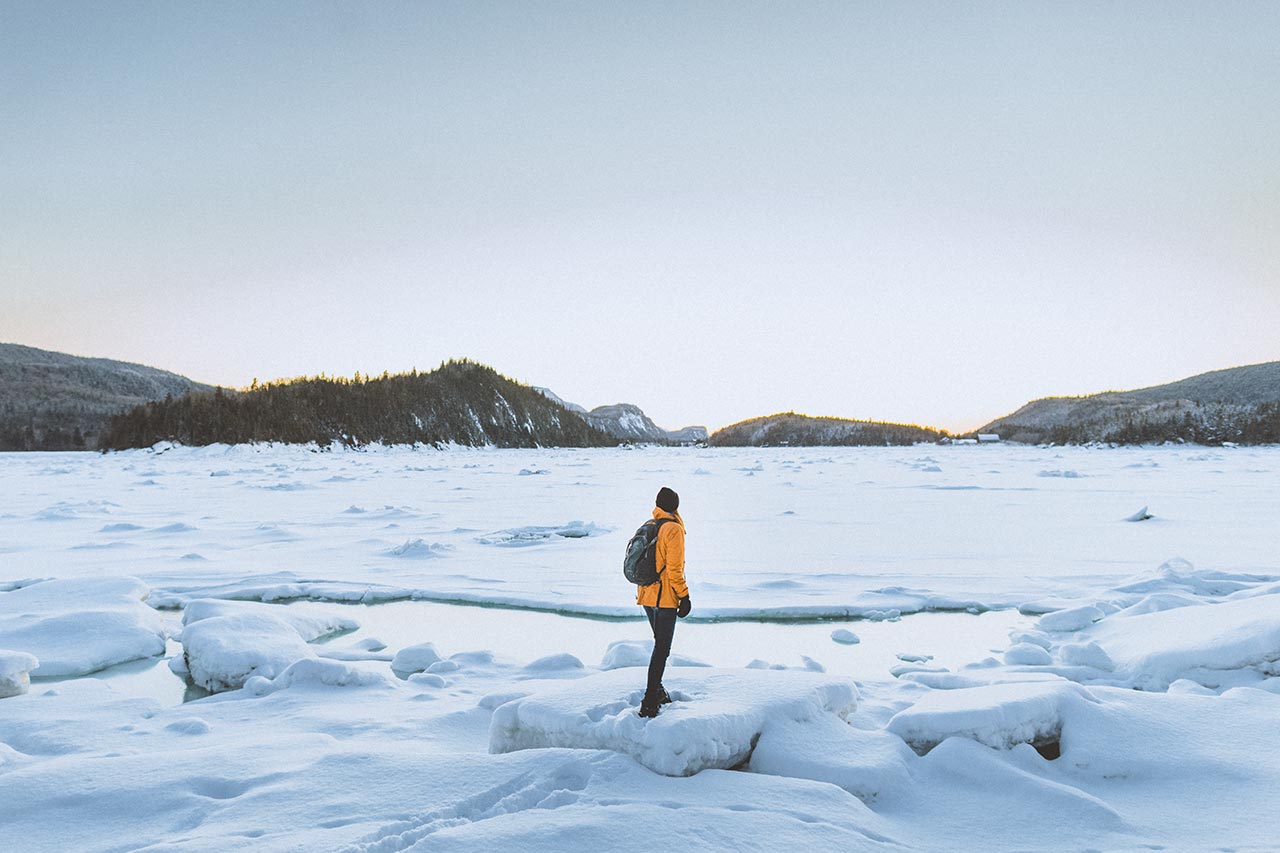
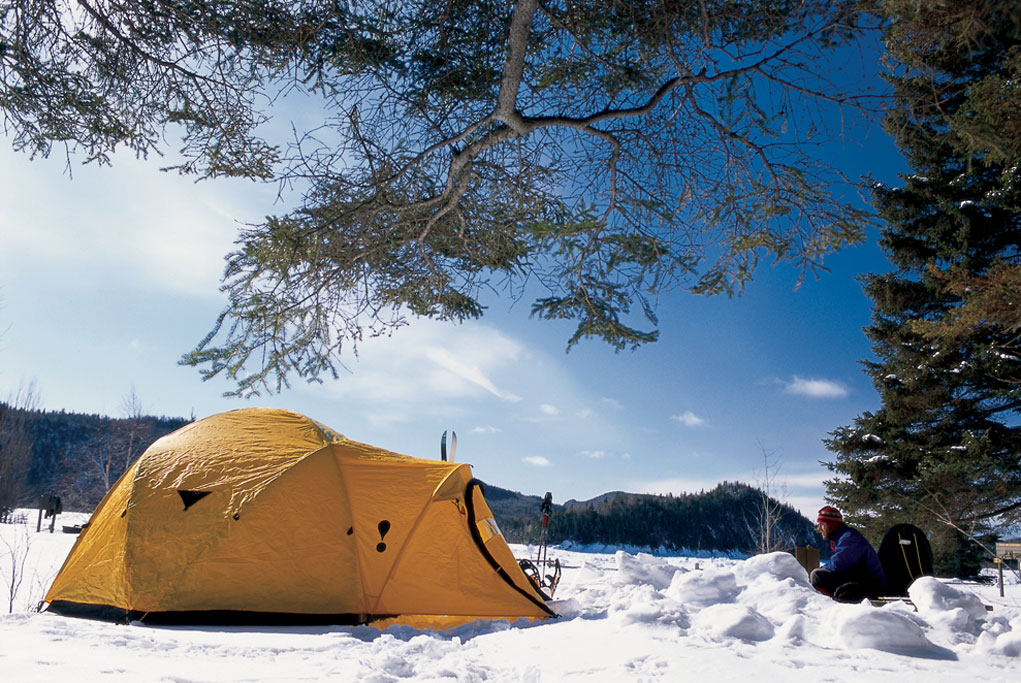
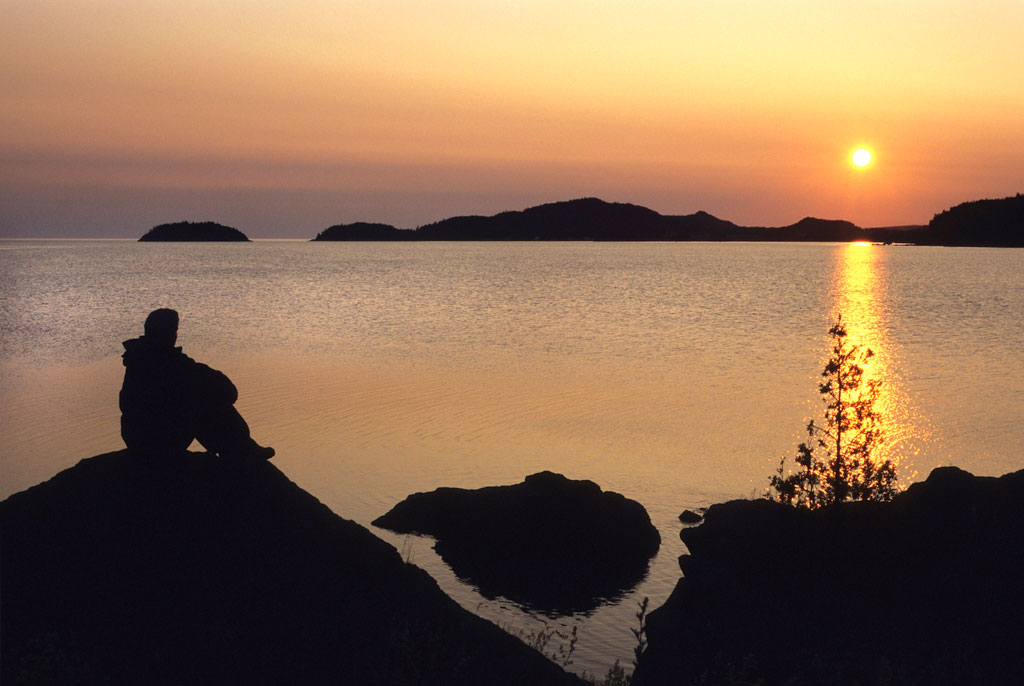
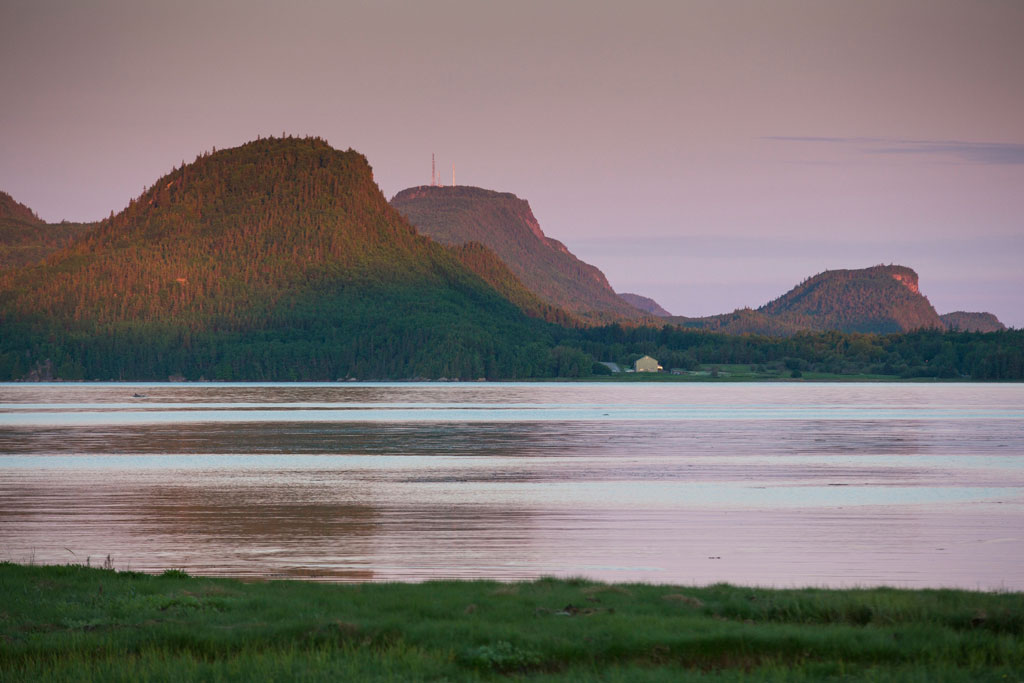
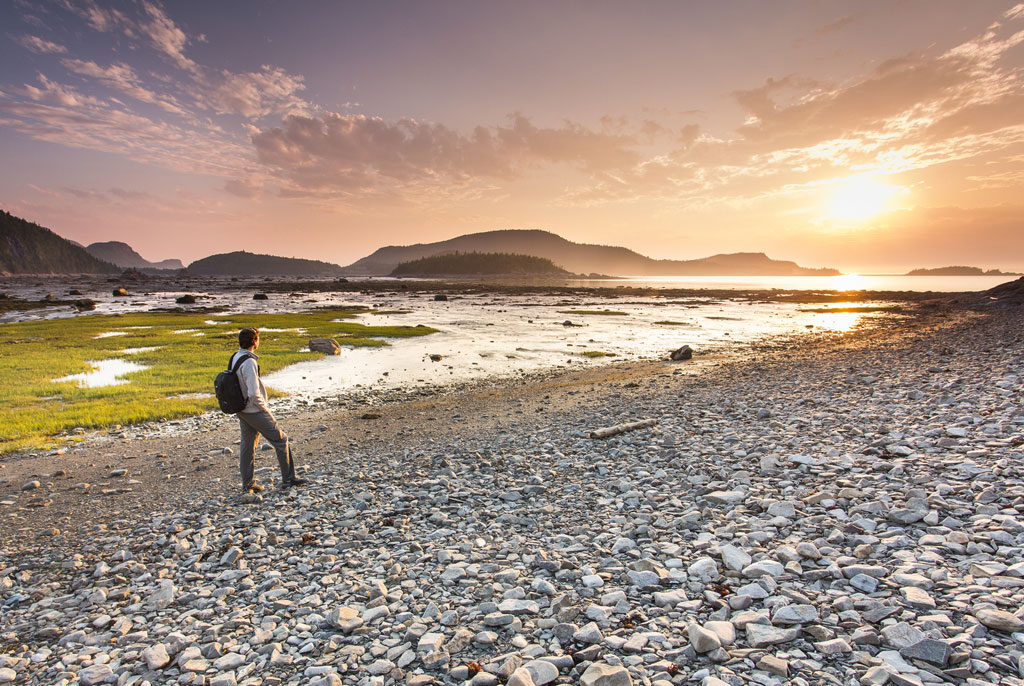
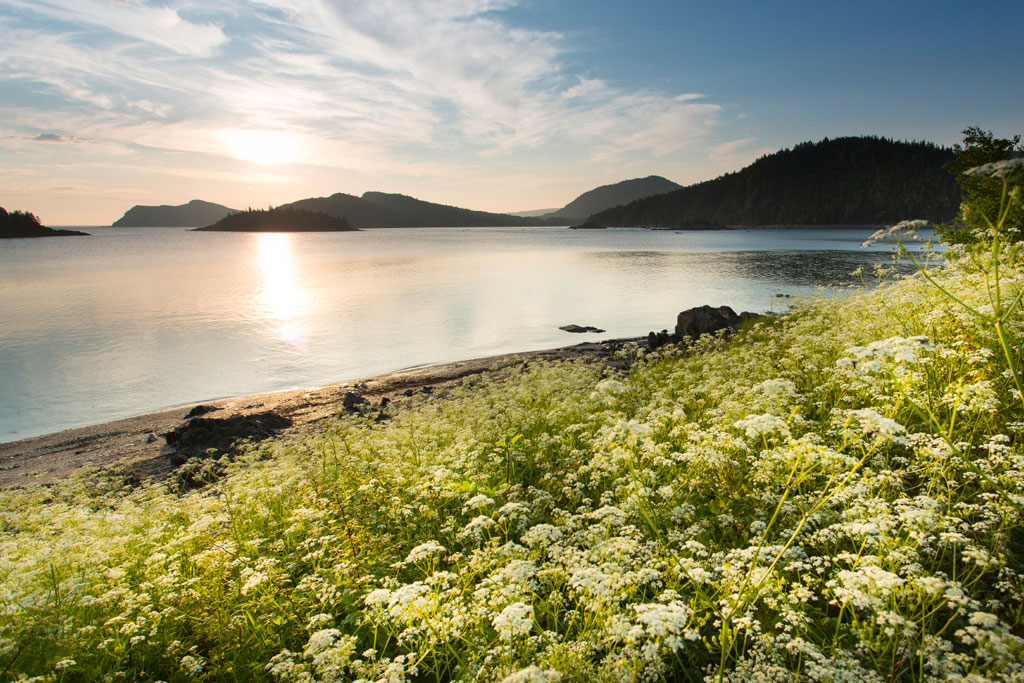
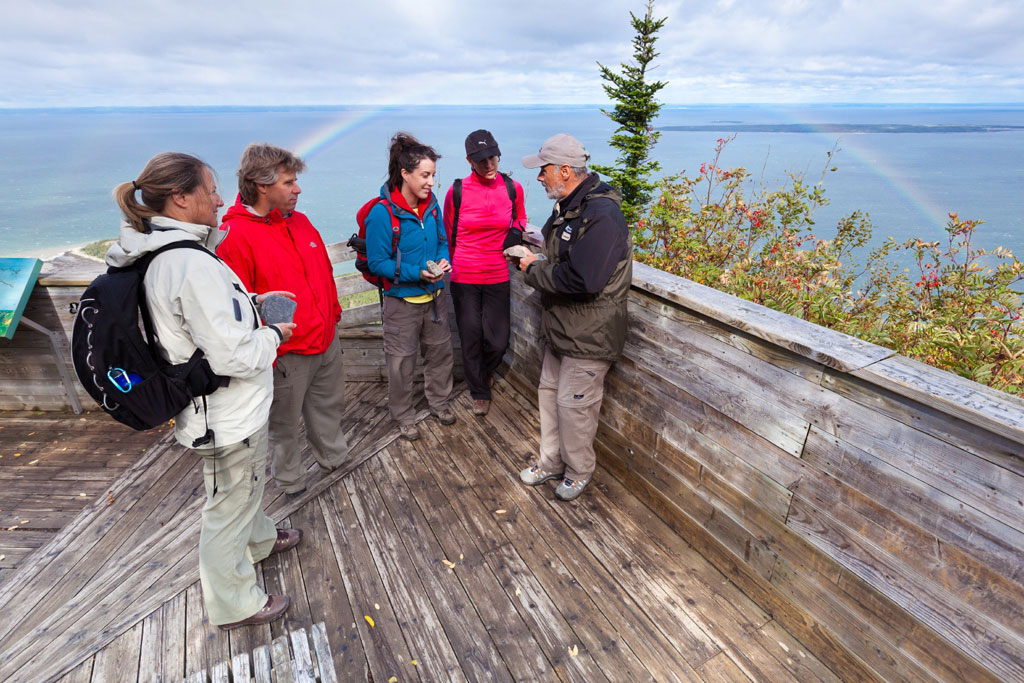
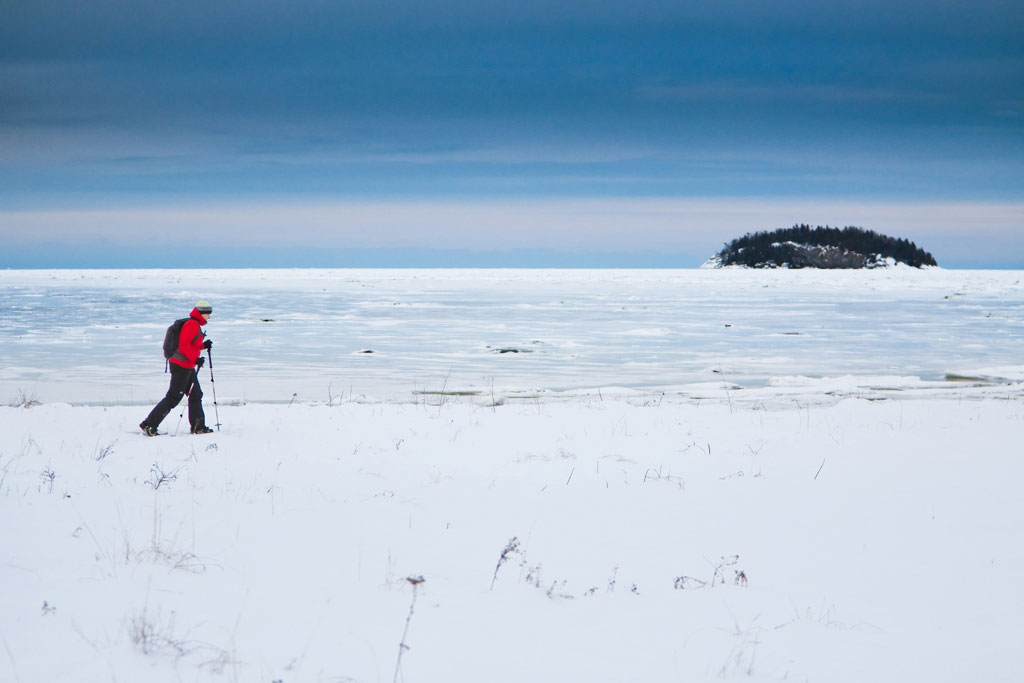
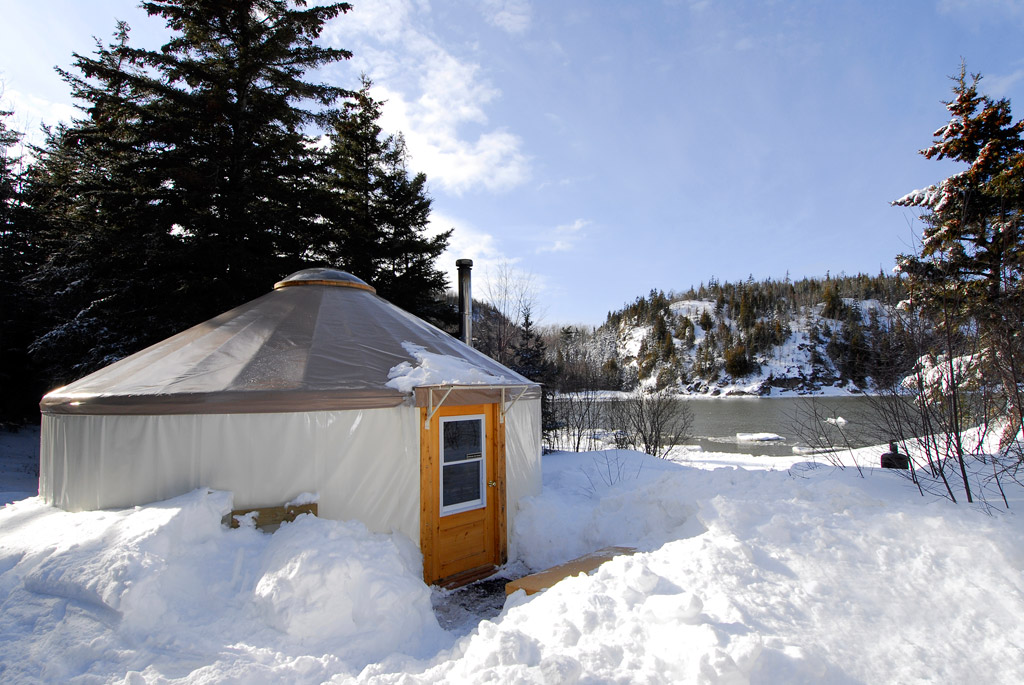
Discover the most spectacular elements of the park, this protected area perfect for enriching nature experiences. I'm interested
Did you know that adapted equipment is available free of charge at this destination? To make the most of this opportunity, please consult our suggestions for trails accessible to people with reduced mobility. I'm interested
Activities for your youngsters, accommodations, and services - discover what this family destination has in store for your vacation! See our detailed fact sheet.
A single piece of firewood can destroy millions of trees. Invasive insects and diseases can hide inside it. Buy it locally. Burn it on site. Find out more

Sign up for Sépaq emails to be the first to find out about our promotions, news and special offers.