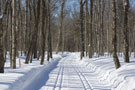
 Cross-Country Skiing
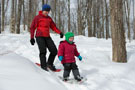 Snowshoeing
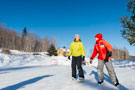 Skating
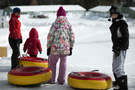 Snow Tubing
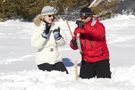 Ice Fishing
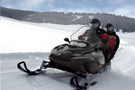 Snowmobiling
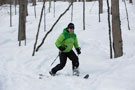 Skishoeing
 Hiking
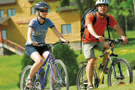 Biking
 Nautical center
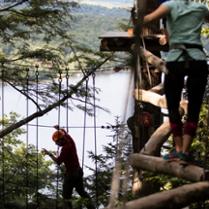
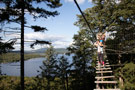 Arbraska Duchesnay
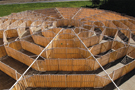 Labyrinthe and Rivière Ontaritzi sector - New!
 Equipment for persons with reduced mobility
 Games...and More Games!
 Indoor pool, hot tubs and fitness room
 Guided activities
 Activités autonomes
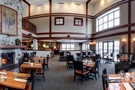 Bistro-bar Le Quatre-Temps
 Terrace and Bar
 School activities in nature
Be Informed
Sign up for Sépaq emails to be the first to find out about our promotions, news and special offers.
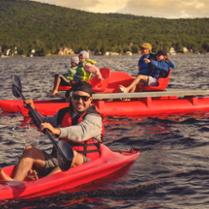
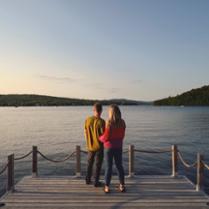
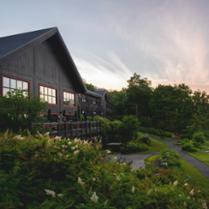
Nature getaways, romantic weekends, family vacations or business meetings. Any occasion is the perfect chance to appreciate Station touristique Duchesnay. This year-round resort is only 30 minutes from Québec City. The 89 km² site by the shores of Lac Saint-Joseph is a magnificent playground for a wide variety of activities: Arbraska, cross-country skiing, hiking, boating activities, guided activities, and much more. This is also a place where you can enjoy fine dining and quality accommodations. Pure enchantment for guests of all ages!


© Sépaq
Paul Dussault | | © Sépaq
Simon Clark | © Sépaq
Simon Clark | © Sépaq
Explore Duchesnay, this immense nature destination, thanks to our virtual tour. You’ll be able to check out our hotel rooms, our dining room, and our various reception halls. Start the visit
Did you know that adapted equipment is available free of charge at this destination? To make the most of this opportunity, please consult our suggestions for trails accessible to people with reduced mobility. I'm interested
Take a summer family vacation at Station touristique Duchesnay. A hassle-free holiday, with unlimited access to a multitude of outdoor activities, awaits you! Find out more
Activities for your youngsters, accommodations, and services - discover what this family destination has in store for your vacation! See our detailed fact sheet.
Please note that as of August 18, 2019, the Spa Duchesnay is permanently closed. Thank you for your understanding.
Need suggestions for strengthening ties between your colleagues and employees? See the details about our corporate summer (in French only) and winter (in French only) activities. Meeting halls are also available.
Sign up for Sépaq emails to be the first to find out about our promotions, news and special offers.