Développement durable
Le développement durable et la protection de l’environnement représentent des valeurs fondamentales qui orientent les activités de la Sépaq et l’évolution des services offerts à sa clientèle. Déjà bien intégrées dans ses opérations, ces valeurs sont à la base des travaux réalisés pour aller encore plus loin et faire de la Sépaq une organisation modèle.
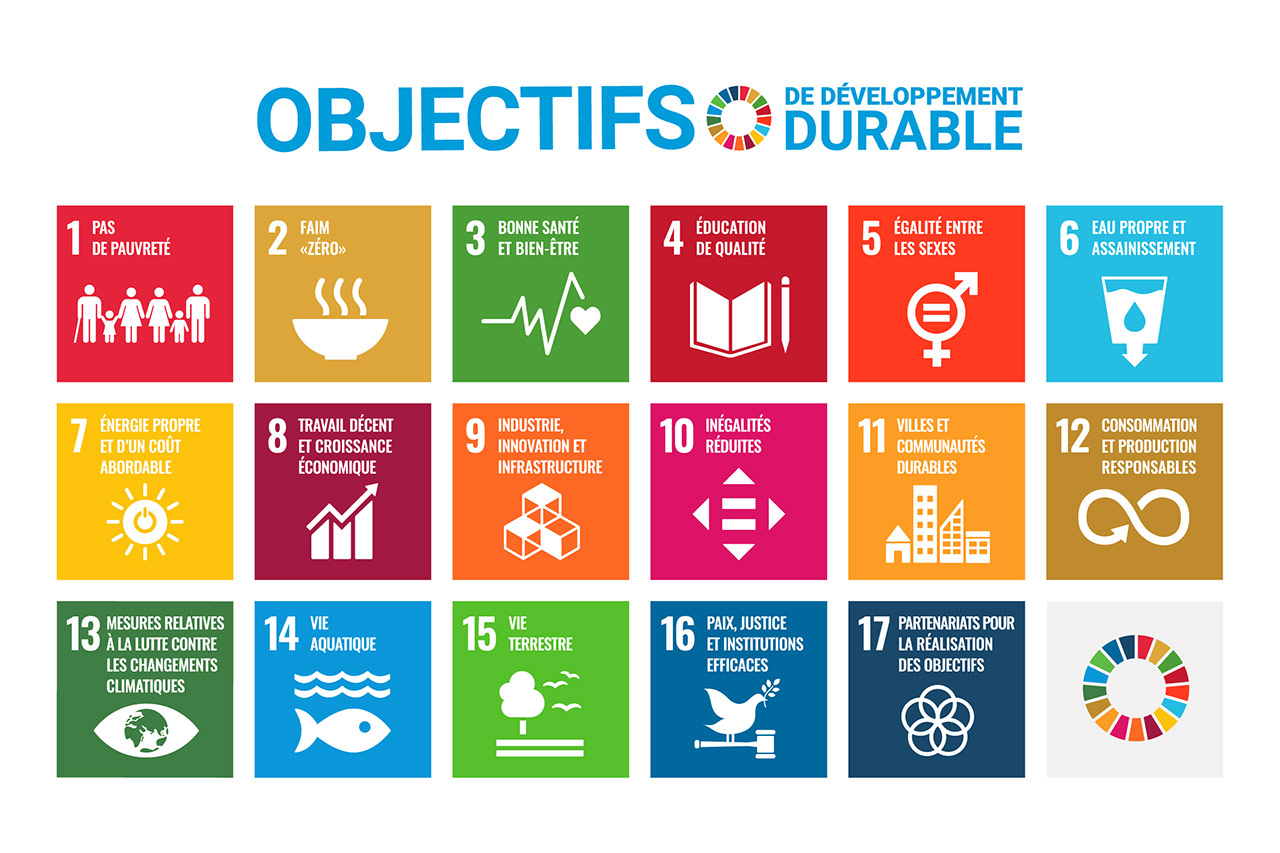
Une stratégie alignée avec les 17 objectifs de développement durable des Nations Unies
Les objectifs de développement durable (ODD) des Nations Unies sont un appel à tous afin de se pencher sur les grands enjeux globaux et de promouvoir la prospérité tout en protégeant la planète.
En savoir plus sur les ODD des Nations Unies
Une contribution concrète
Avec ses initiatives de développement durable, la Sépaq a décidé de contribuer en priorité à 7 des 17 objectifs des Nations Unies avec, à terme, une contribution marquée à l’objectif 15 (vie terrestre). Nos efforts contribuent également activement à la stratégie gouvernementale de développement durable dans l’administration publique du Québec.
Voici quelques exemples de projets qui témoignent de notre contribution à ces objectifs.
ODD 3 : Santé et bien-être
Par la nature de sa mission, la Sépaq contribue à la santé et au bien-être des citoyens en mettant à leur disposition de grands espaces naturels. Pendant la pandémie de COVID-19, les territoires de la Sépaq sont demeurés ouverts afin de permettre à des millions de personnes de bénéficier d’espaces régénérateurs. La Sépaq propose également son programme d’engagement social qui permet, entre autres, de favoriser la connexion à la nature.
ODD 4 : Éducation de qualité
Avec ses millions de jours de visite, la Sépaq constitue une vitrine exceptionnelle pour sensibiliser la population aux richesses des milieux naturels. Que ce soit grâce aux panneaux d’interprétation, à une discussion avec un employé ou lors d’une activité animée par un guide naturaliste, petits et grands sont encouragés à en apprendre plus sur la biodiversité de nos territoires.
De plus, la Sépaq développe des plans d’éducation pour chacun de ses parcs nationaux, devenant ainsi une ressource de choix pour le milieu scolaire et permettant qu’offrir un grand nombre d’activités éducatives aux élèves de tous âges.
ODD 6 : Eau propre et assainissement
Avec plus de 49 000 lacs et 75 000 km de cours d’eau, la Sépaq est riche en écosystèmes aquatiques. Maintenir la qualité de l’eau à l’intérieur des différents territoires est une préoccupation constante. Avec leur statut d’aire protégée, l’apport des parcs nationaux est incontestable pour les écosystèmes aquatiques et les réserves d’eau. Toujours dans l’optique de préserver cette ressource essentielle, d’ici 2025, la Sépaq fera disparaître progressivement les bouteilles en plastique à usage unique de 1,5 litre et moins dans ses points de vente. Ce positionnement se veut un geste concret en développement durable considérant l’impact important des contenants en plastique sur le plan environnemental.
ODD 7 : Énergie propre et d’un coût abordable
La Sépaq désire proposer une offre de tourisme durable en utilisant des énergies provenant de sources renouvelables. Depuis 2021, grâce à son parc photovoltaïque, la Sépaq produit annuellement environ 0,6 MW d’électricité à travers ses multiples installations solaires. Depuis 2022, l’Aquarium du Québec utilise également du gaz naturel renouvelable au bénéfice de ses usagers.
De plus, la Sépaq poursuit l’électrification de sa flotte de véhicules : plus de 20 % de sa flotte est électrifiée et plus de 150 bornes de recharges sont présentes au sein du réseau pour le bénéfice de ses véhicules et ceux de la clientèle.
ODD 12 : Consommation et production responsable
La Sépaq agit comme organisation responsable en regard à la gestion et la disposition de ses matières résiduelles ainsi qu’à celles laissées par les clients sur ses territoires. Depuis la mise à jour de son plan de gestion environnementale en 2020, la consommation responsable est plus que jamais au cœur de plusieurs initiatives, telle que la mise en place du compostage dans les chalets prévue dès l’été 2024.
ODD 13 : Mesures relatives à la lutte contre les changements climatiques
La Sépaq reconnaît que les changements climatiques sont l’un des principaux moteurs de la perte de biodiversité et qu’ils compromettent la capacité de la nature à réguler les gaz à effet de serre (GES). C’est pourquoi la Sépaq désire participer activement à la lutte aux changements climatiques, notamment en diminuant au maximum l’empreinte carbone de ses activités. Pour se faire, elle a développé son propre compilateur d’émission de gaz à effet de serre. Les actions visent principalement la réduction de la consommation d’énergies fossiles et l’électrification.
ODD 15 : Vie terrestre
Le réseau de la Sépaq occupe plus de 50 000 km2, composé en grande partie d’écosystèmes forestiers, de milieux humides et de plans d’eau. On y recense plusieurs espèces menacées, vulnérables ou susceptibles d’être désignées, dont le caribou forestier et montagnard. La Sépaq a donc une importante responsabilité en matière de protection du patrimoine naturel.
Pour être en mesure de conserver adéquatement la valeur écologique et patrimoniale des parcs nationaux, la Sépaq applique un programme de suivi des indicateurs environnementaux. Ce programme vise à comprendre l’état de santé générale de chaque parc national, à agir dès que des situations problématiques sont constatées et à rendre compte de leur état de santé aux citoyens et au gouvernement du Québec.

Notre plan d’action de développement durable
En parallèle de ces projets, la Sépaq s’est dotée d’un Plan d’action de développement durable pour les années 2023 à 2028. En bref, les treize actions du plan :
Voir l’ensemble de notre Plan d’action de développement durable
Générer un projet d’économie circulaire avec le remplacement des toiles des unités de prêt-à-camper (projet RÉPAC)
En 2023, la Sépaq amorce un programme de mise à niveau de ses unités de prêt-à-camper « traditionnel », ce qui représente plus de 500 toiles dans l’ensemble du réseau qui devront être remplacées d’ici 2028. Un projet d’économie circulaire permettrait de valoriser les toiles qui seront en fin de vie utile afin d’éviter que ces 60 000 m2 de matières textiles se retrouvent potentiellement dans les sites d’enfouissements.
Cible 2027-2028 : Annuellement, revaloriser plus de 75 % des toiles jugées en fin de vie grâce au projet RÉPAC
Soutenir la pratique d’activités durables dans la nature à la Sépaq
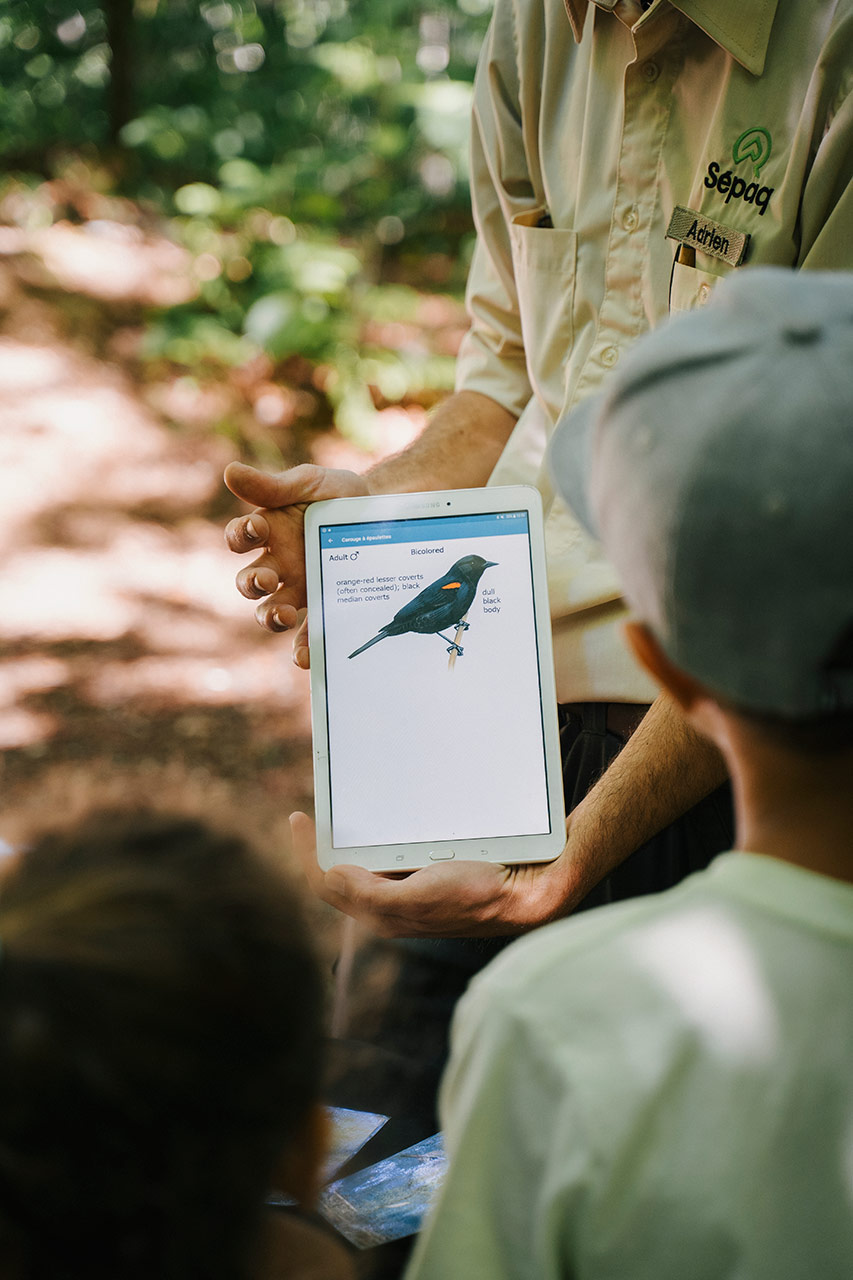
Les territoires des parcs nationaux doivent profiter aux générations actuelles et futures. C’est pourquoi la Sépaq établit des plans d’éducation pour chacun d’eux. Ces plans visent à favoriser chez les visiteurs une prise de conscience vers une utilisation durable des milieux naturels et à mieux comprendre puis apprécier la nature qui les entoure. Des stratégies d’éducation sont donc énoncées et leur taux de réussite permet à la Sépaq de mesurer l’effort investi à informer et soutenir les visiteurs des parcs nationaux à la pratique d’activités durables.
Cible 2027-2028 : Avoir 75 % des stratégies des plans d’éducation « atteintes ».
Accroître la part des acquisitions responsables de la Sépaq
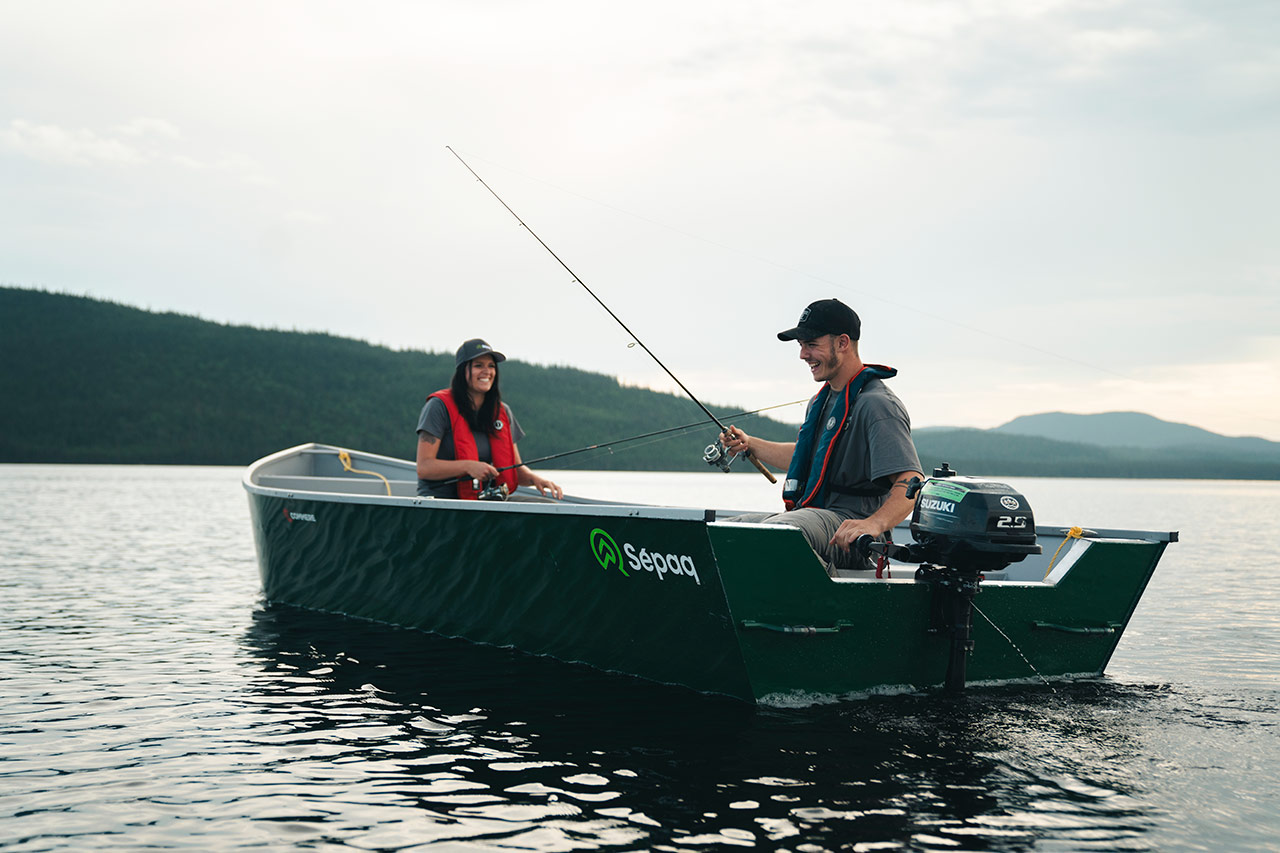
La Sépaq possède une Politique d’acquisitions responsables qui vise à augmenter la part des acquisitions responsables, à favoriser l’achat local, à fournir aux responsables des achats des critères écologiques, sociaux et de transition énergétique à prendre en compte lors de l’achat ou de la location de certains biens et services. Des indicateurs permettent de suivre et de mesurer les progrès de la Sépaq en matière d’acquisition responsable.
Cible 2027-2028 : Avoir une proportion de 50 % des acquisitions gouvernementales publiées dans le SEAO qui intègre des composantes responsables.
Réduire les émissions de GES du parc immobilier et des infrastructures de la Sépaq
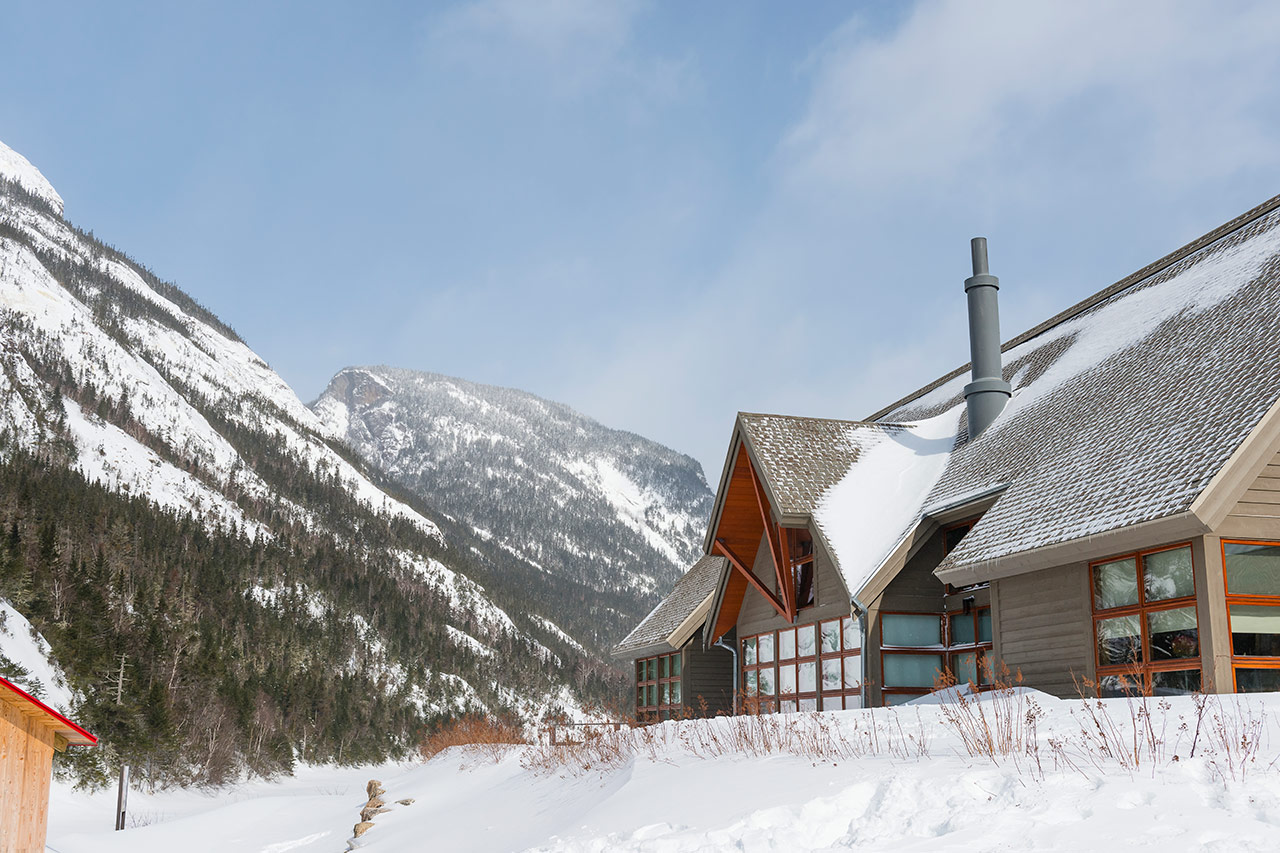
La Sépaq possède un important parc immobilier de près de 2000 bâtiments. Toutefois, en raison de la nature des territoires, des infrastructures dépendent encore des combustibles fossiles pour produire l’énergie nécessaire à leur fonctionnement. Une transition vers l’énergie solaire est bien entamée depuis plusieurs années et se poursuit afin de convertir ces infrastructures, lorsque cela est possible et opportun, dans l’objectif de réduire les émissions de GES produites par le parc immobilier par unité de surface (m2).
Cible 2027-2028 : Réaliser une diminution de 12,5 % des émissions de GES par mètre carré pour les bâtiments de la Sépaq.
Améliorer la gestion des matières résiduelles de la Sépaq
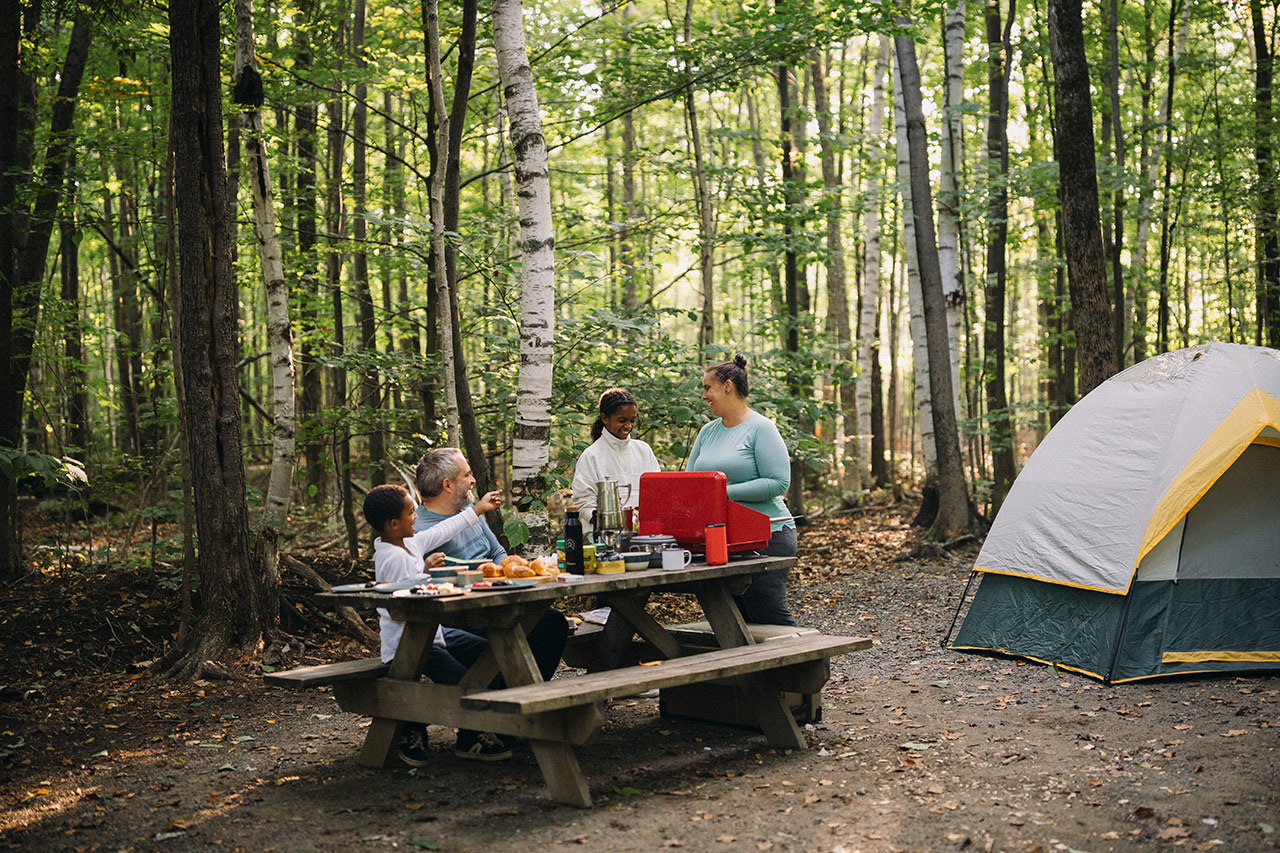
Les établissements de la Sépaq doivent gérer annuellement plus de 2 400 tonnes de matières résiduelles. Les déchets domestiques, les matières recyclables ou organiques représentent certes un enjeu logistique de tous les jours, mais ce sont les autres types de matières résiduelles, souvent considérées comme dangereuses qui représentent un réel défi. La Sépaq s’engage donc à élaborer des plans d’action afin que tous ses établissements soient reconnus par le programme « ICI on recycle + » de RECYC-QUÉBEC.
Cible 2027-2028: Avoir 100 % des établissements de la Sépaq qui auront déposé une demande d’attestation « Mise en œuvre » au programme ICI on recycle + de Recyc-Québec.
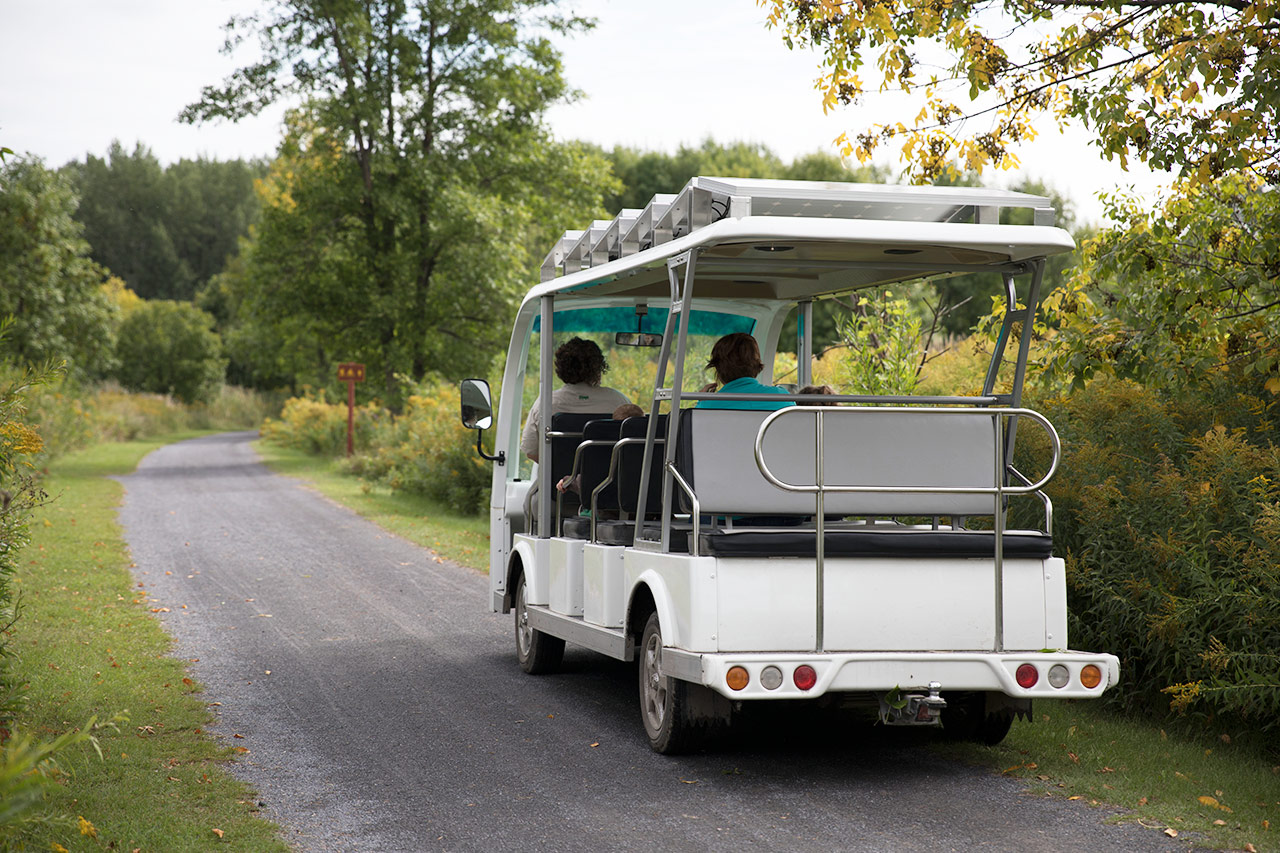
Accroître la proportion de véhicules à faibles émissions et à zéro émission au sein de la flotte de véhicules des parcs nationaux
En 2019-2020, la Sépaq se classait au quatrième rang des ministères et organismes avec les plus importants parcs de véhicules légers. Afin de contribuer activement à l’amélioration du bilan environnemental du gouvernement du Québec, la Sépaq poursuit ses efforts de diminution des émissions de GES en lien avec sa flotte de véhicules. Malgré certains défis reliés à l’électrification en milieux éloignés, la Sépaq souhaite accroître la proportion de véhicules hybrides dans sa flotte de véhicules légers et lourds des parcs nationaux.
Cible 2027-2028 : Avoir une flotte de véhicules légers et lourds composée à 30 % de véhicules hybrides, hybrides rechargeables et électriques.

Certification Biosphere en tourisme durable
Parc de la Chute-Montmorency, Aquarium du Québec et Station touristique Duchesnay
En 2024, le Parc de la Chute-Montmorency, cette destination touristique de renommée internationale, est devenue la première attraction touristique dans la grande région de Québec à obtenir la certification Biosphere en tourisme durable. Au cours de la même année, l'Aquarium du Québec a également reçu cette certification en lien avec sa mission de préservation de la biodiversité aquatique. En avril 2025, c'est la Station touristique Duchesnay qui a obtenu cette distinction en raison des actions concrètes mises en place en matière de développement durable.
Créée par le Responsible Tourism Institute (RTI) et supportée par l’UNESCO, la certification Biosphere est obtenue à la suite de la démonstration des engagements de l'attraction touristique envers les 17 objectifs de développement durable (ODD) établis par l’ONU.