
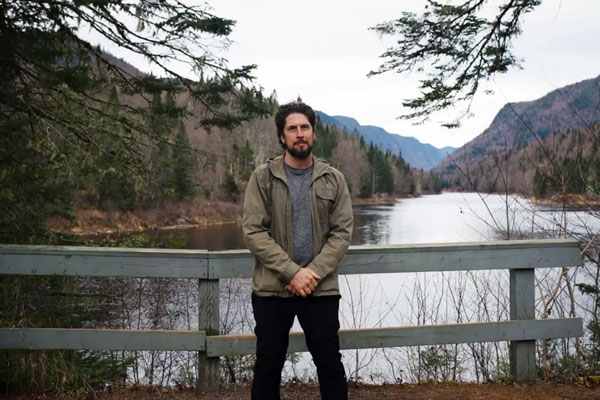
Every visit counts
Almost 80% of the funding for Sépaq's network comes from the revenue generated by visitors. All our profits are reinvested in the conservation, sustainable management, and development of our territories.
Discover our collaboration with the writer and poet David Goudreault, who delivers both a vibrant tribute to our territories and a plea in favour of our link to nature, with original music by composer Pilou (video in French only).
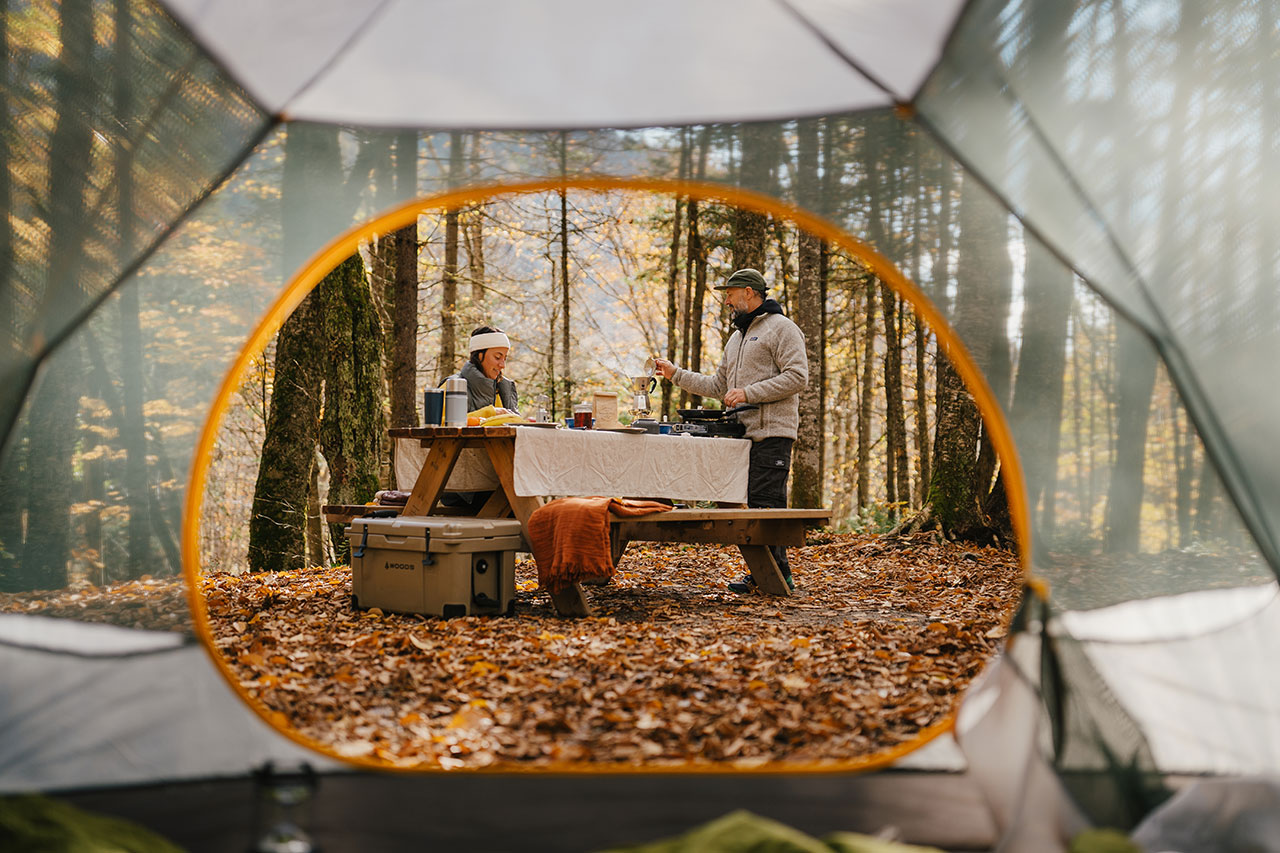
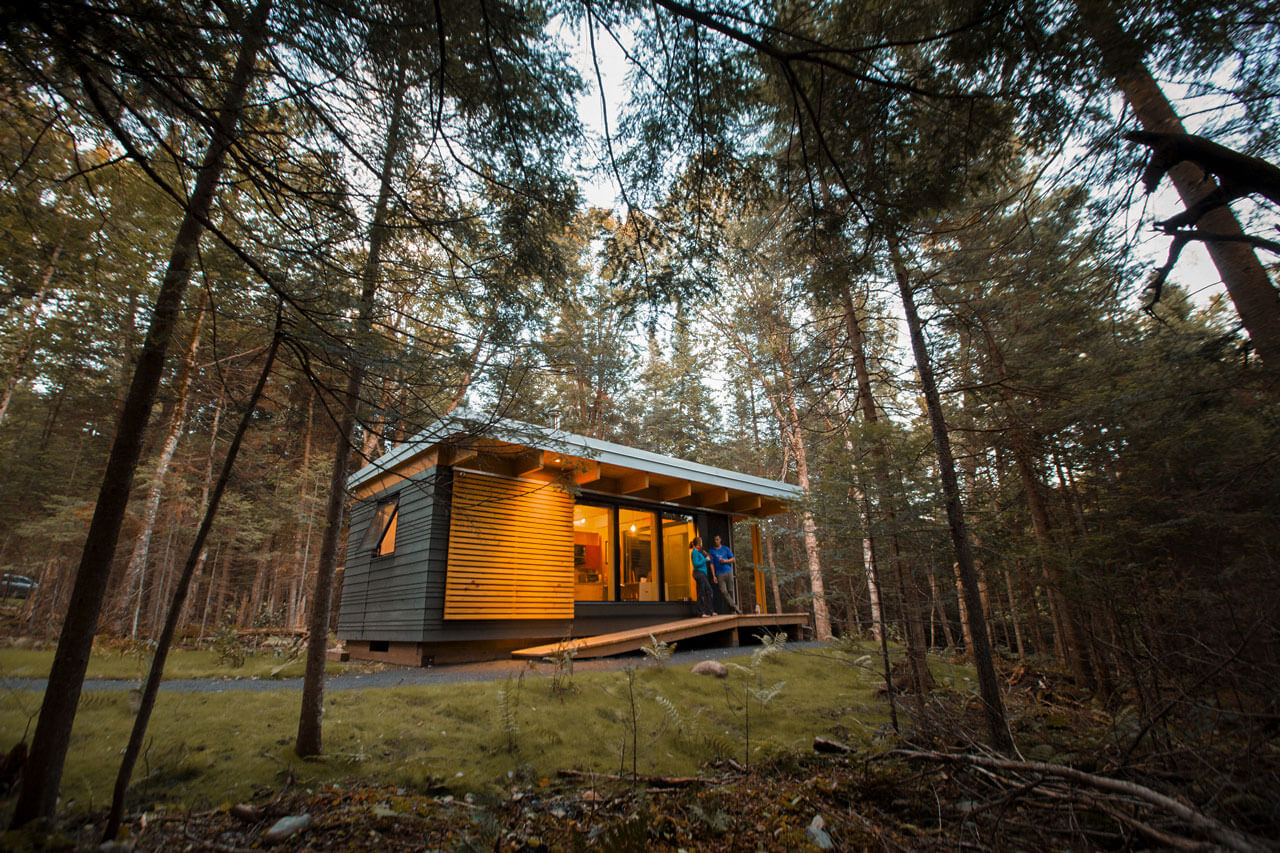

Outdoor activities
Explore Québec's hidden treasures. See you at the heart of immense playgrounds
where nature has all sorts of surprises in store.
See all activitiesInformation of the day

Exceptional places


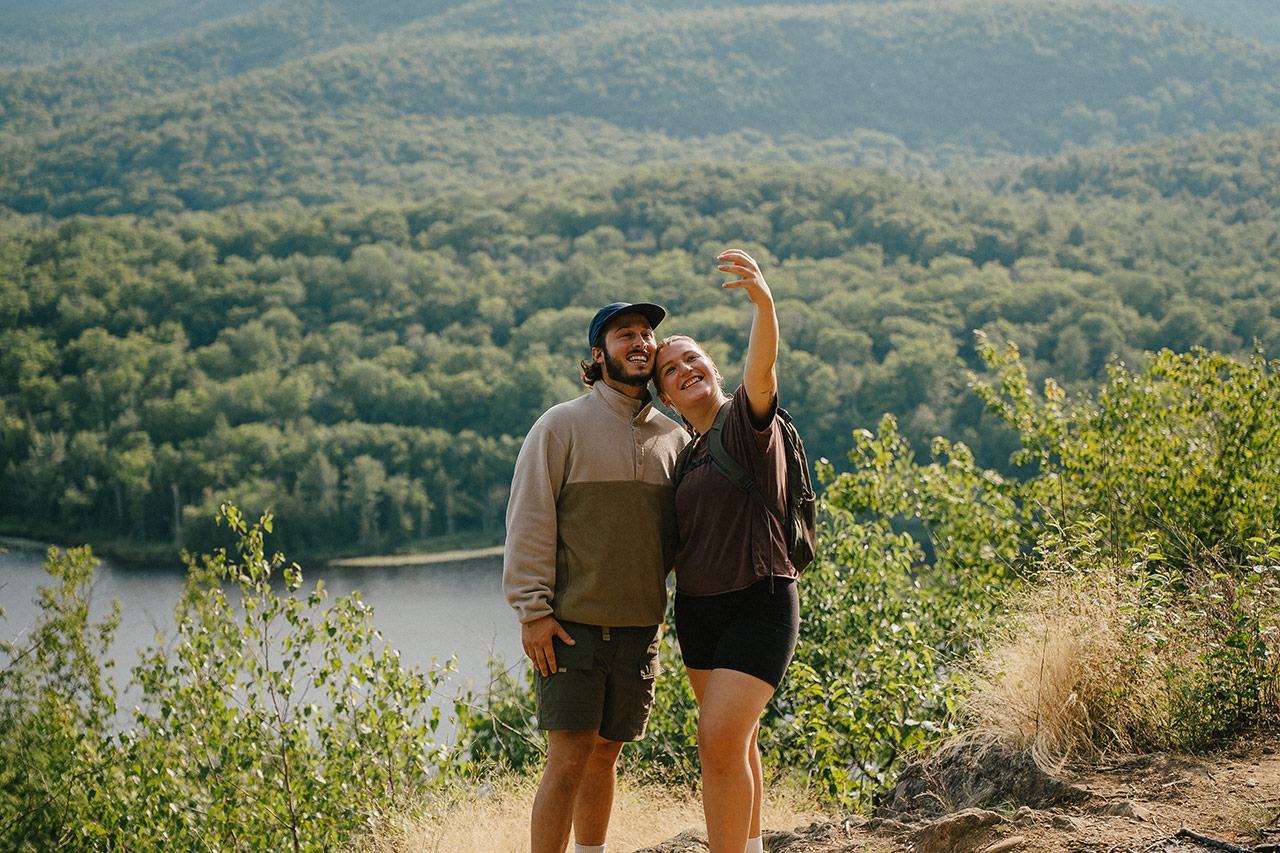



Let yourself be inspired
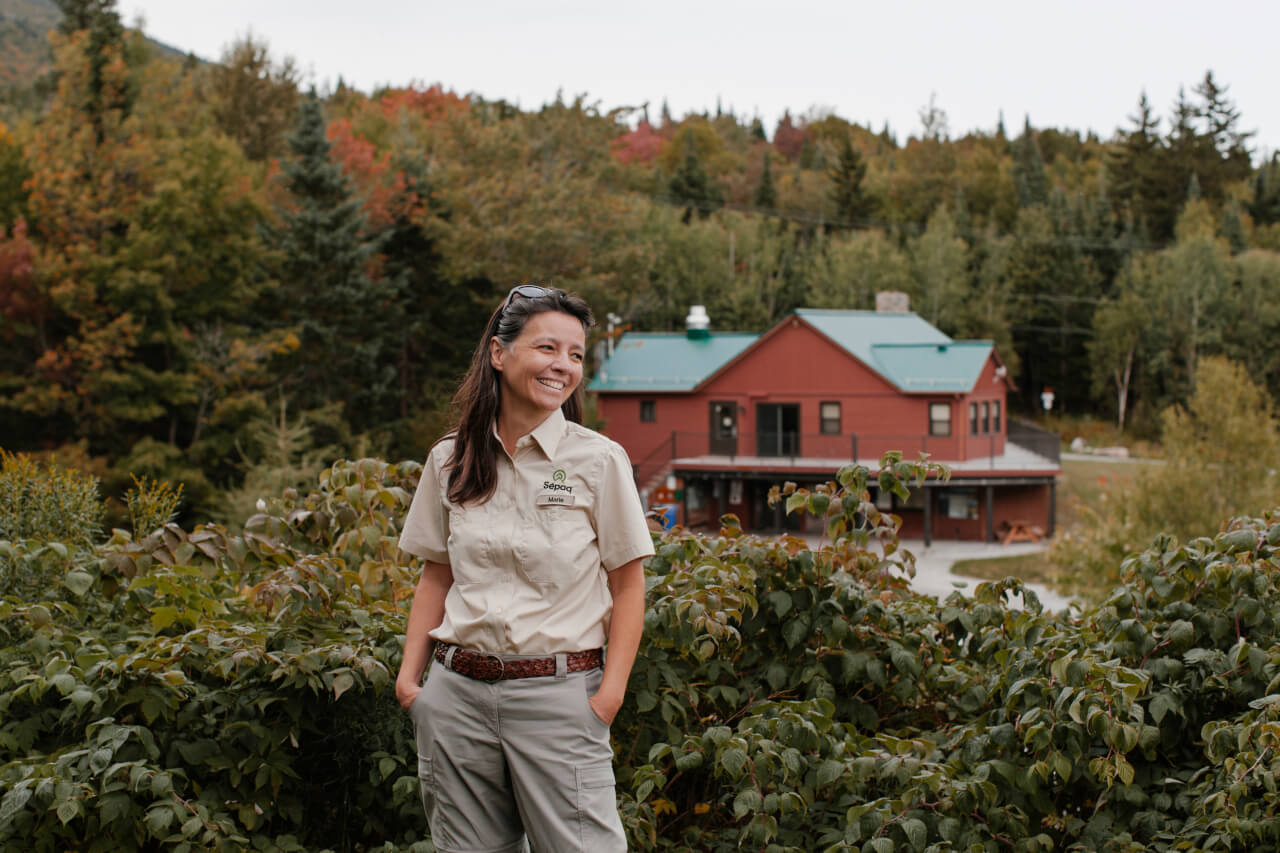
Our team’s enthusiasm is contagious and they are excited to share their passion for nature with you. They also know how to team up with captivating collaborators. They’re all delighted to share their tips, stories, and personal favourites with you!
Outdoor destinations
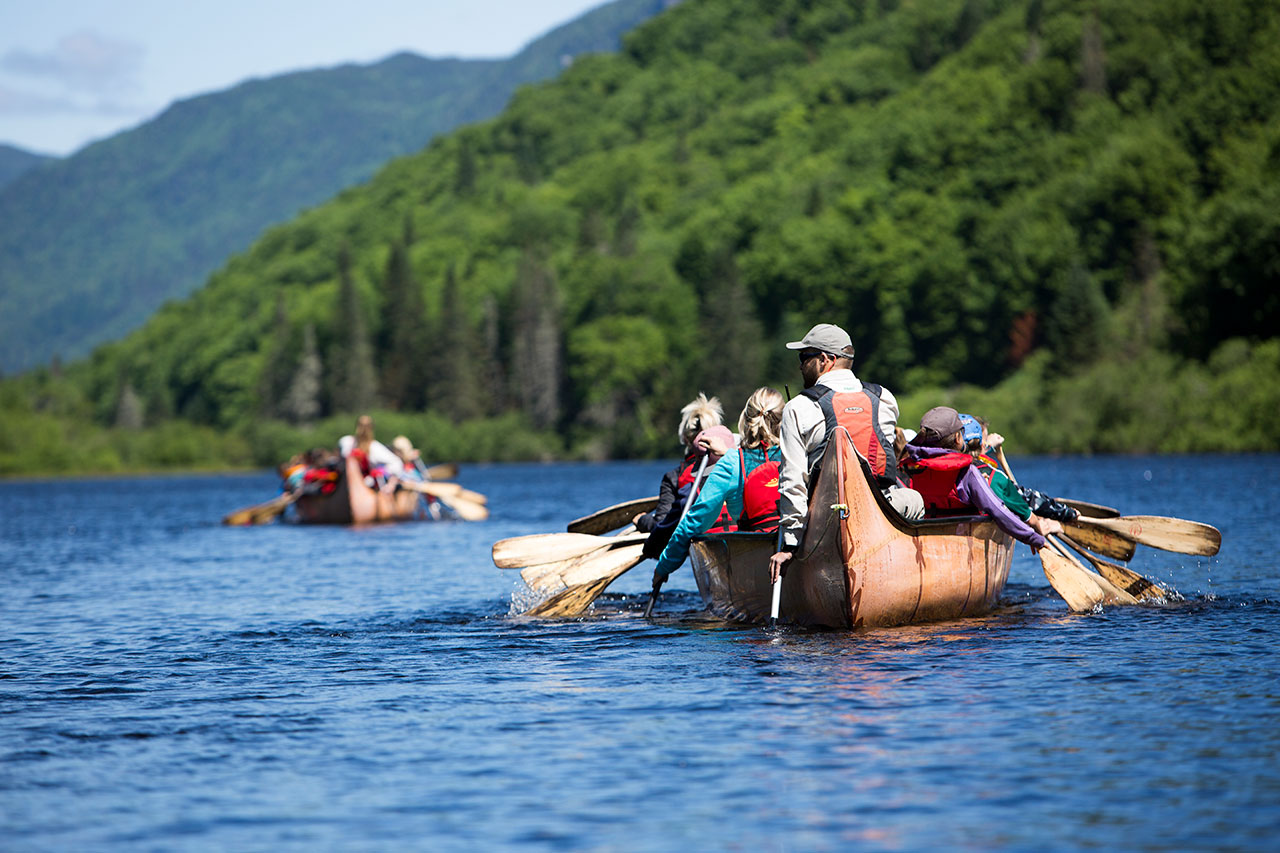
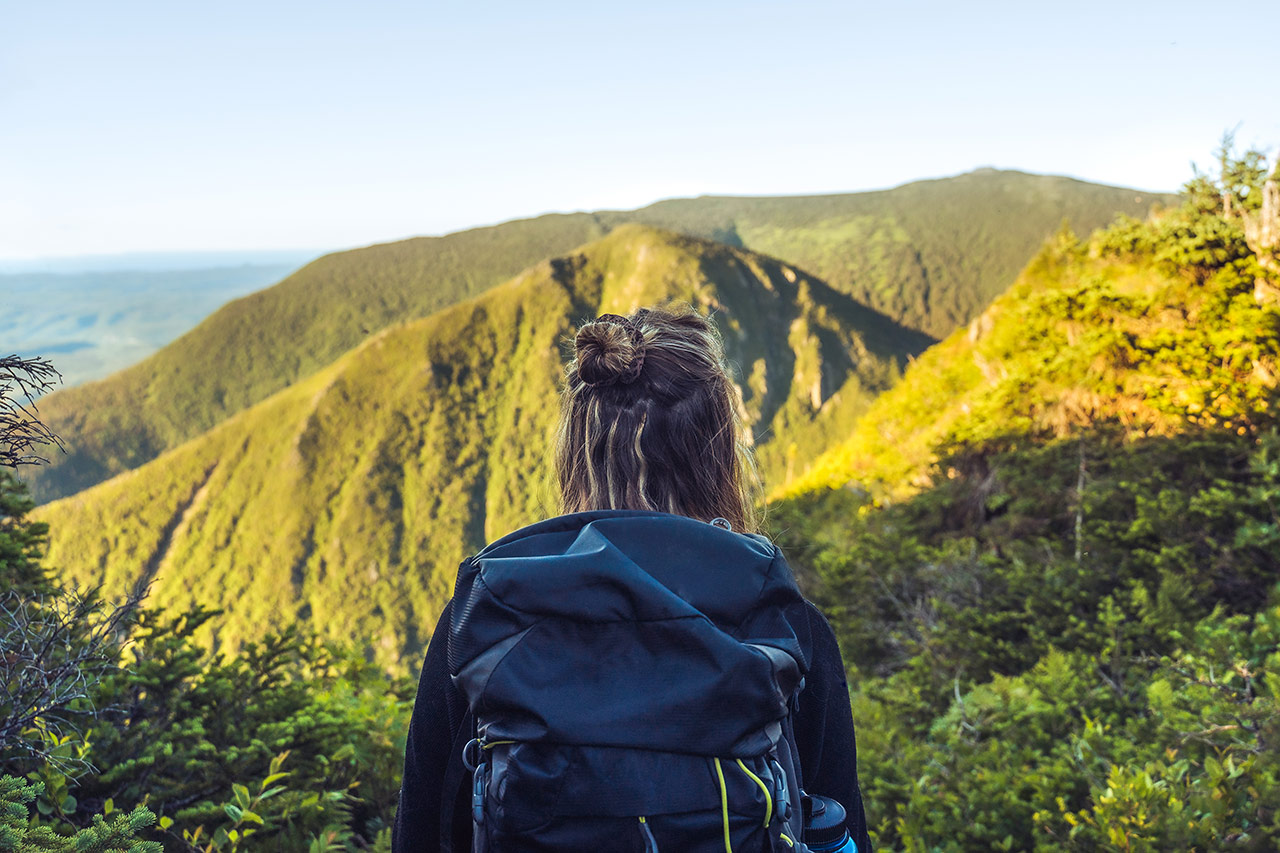
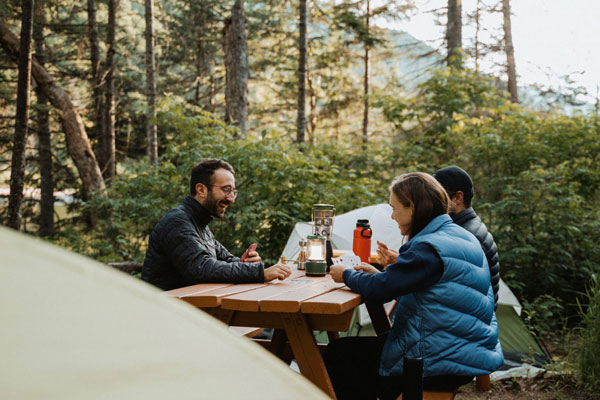
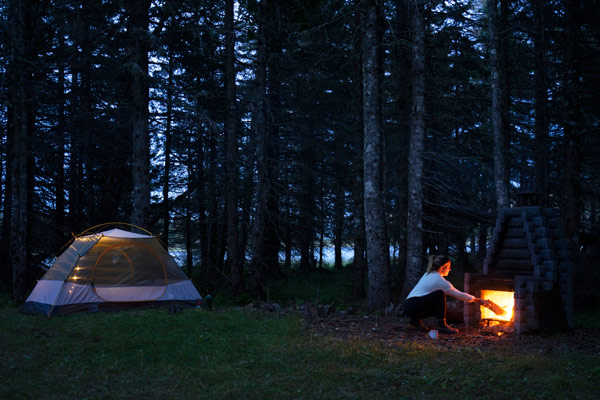
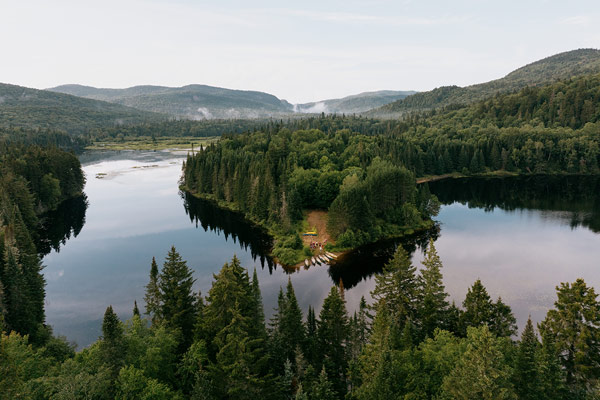
Our territories are renowned for their beauty and richness. There’s nothing in Québec that can compare. Choose from among 38 destinations teeming with life. Huge playgrounds for hiking, canoeing, kayaking, via ferrata, biking, swimming, wildlife watching, and so much more. Places to reconnect with what really matters.