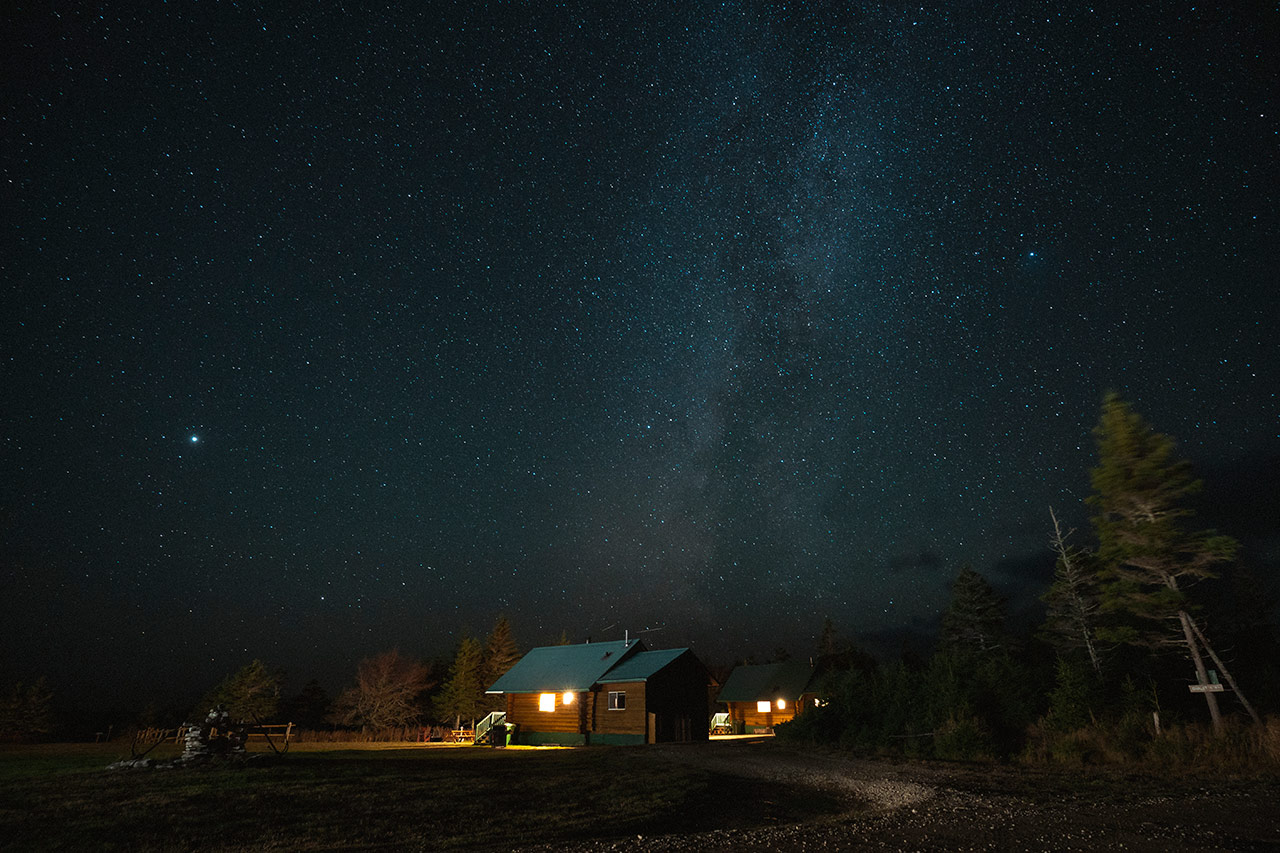
Where to see the Perseids in Québec
Three national parks with protected starry skies
From mid-July to late August, the summer sky comes alive with shooting stars. The Perseids put on their meteor shower for nearly six weeks, peaking on the night of August 12–13, often more than a dozen per hour. And this year, the new moon falls right on August 12, with no moonlight to steal the show.
All that’s needed is a pitch-black sky. Far from city lights, here are three Sépaq national parks that are perfect for stargazing.
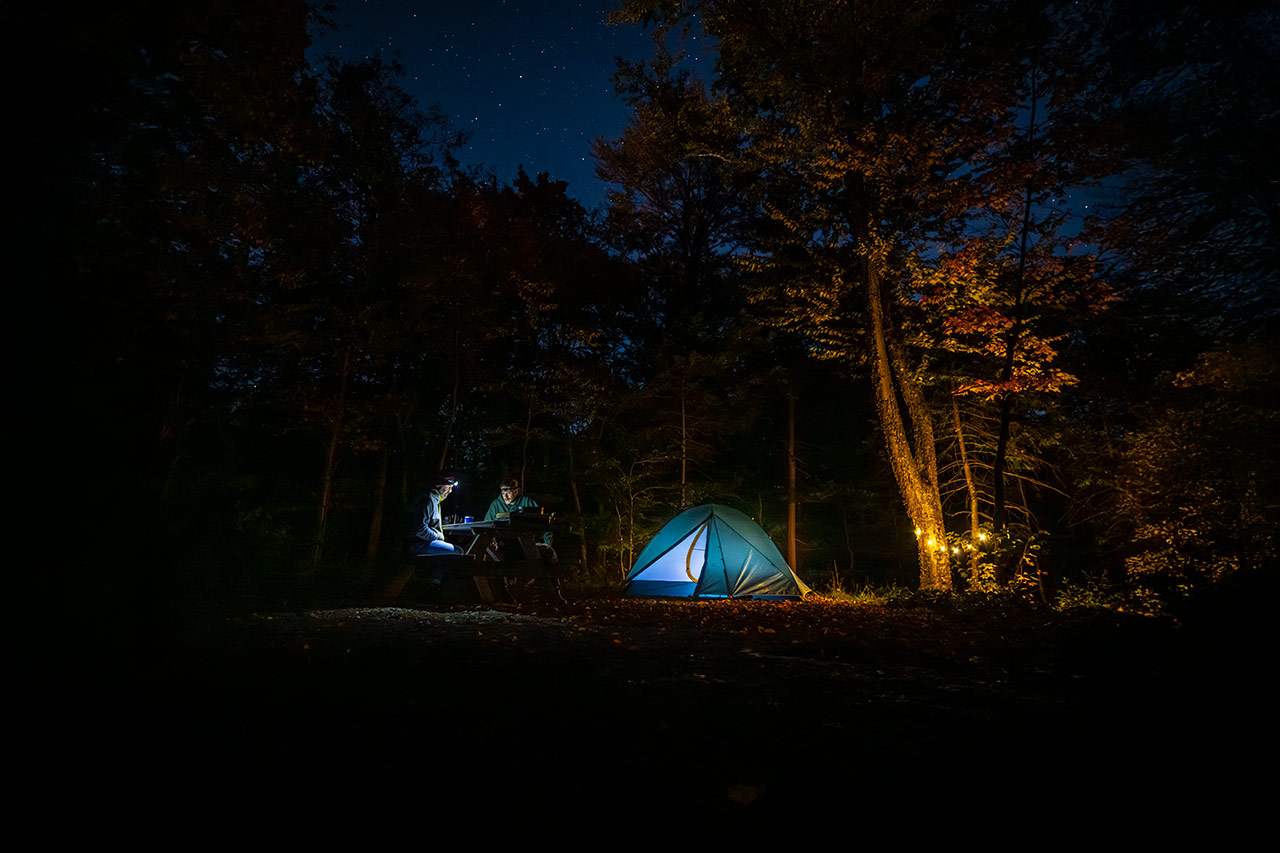 Parc national du Mont-Tremblant
Parc national du Mont-Mégantic
The International Dark Sky Reserve
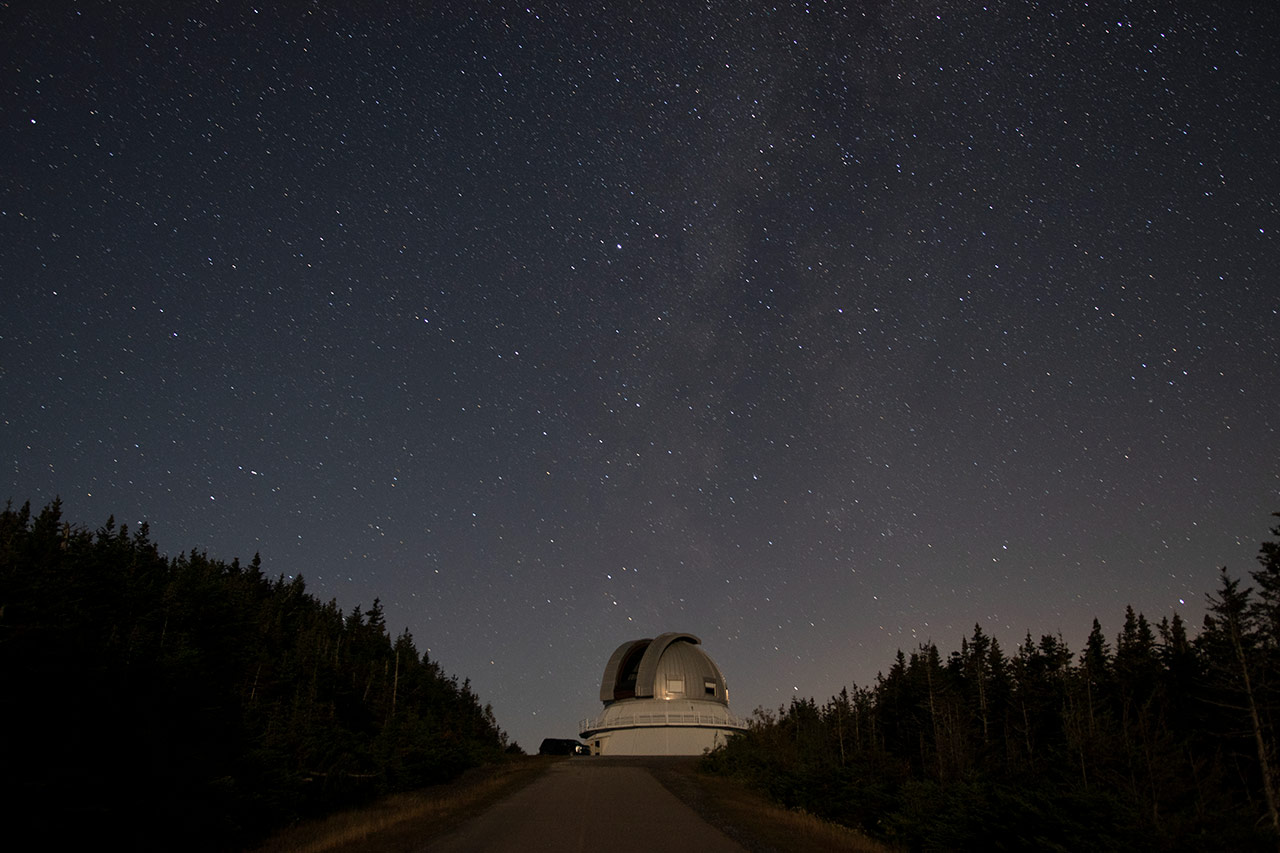
In the Eastern Townships tourist region, Parc national du Mont-Mégantic has a head start. It’s located in the heart of the world’s very first International Dark Sky Reserve. And this year, ASTROLab is celebrating its 30th anniversary with an enhanced program, including a new immersive show on exoplanets.
ASTROLab’s Perseid evenings are already sold out. But the sky remains open; on peak nights, visitors are also welcome at the base of the mountain, no reservation required. Just find a quiet spot near the site and look up. Two other parks also offer certified starry skies.
Parc national du Mont-Tremblant
Places des étoiles, the starry square
In the Laurentides mountain range, Parc national du Mont-Tremblant stretches across 1,510 km² of lakes and peaks; it’s the largest and oldest national park in Québec. There’s plenty of room to find a clearing far from it all, where darkness reigns supreme.
The park has even set up Places des étoiles, featuring large, reclining wooden chairs facing upward, with signs explaining what you’re looking at. You settle in, and the night does the rest.
In August 2023, Parc national du Mont-Tremblant became Québec’s first International Dark Sky Park.
Reserve, park… What’s the difference between the certifications?
Two international certifications, one principle: controlling lighting to keep the night sky undisturbed.
The International Dark Sky Reserve certification covers a large area: a core zone where darkness is preserved as much as possible and a surrounding region where municipalities, businesses, and residents commit to protecting the starry sky. The Mont-Mégantic certification paved the way in 2007.
The International Dark Sky Park certification targets a more limited area, where outdoor lighting is carefully managed and stargazing programs are offered. The certification has no legal standing; it simply recognizes these efforts.
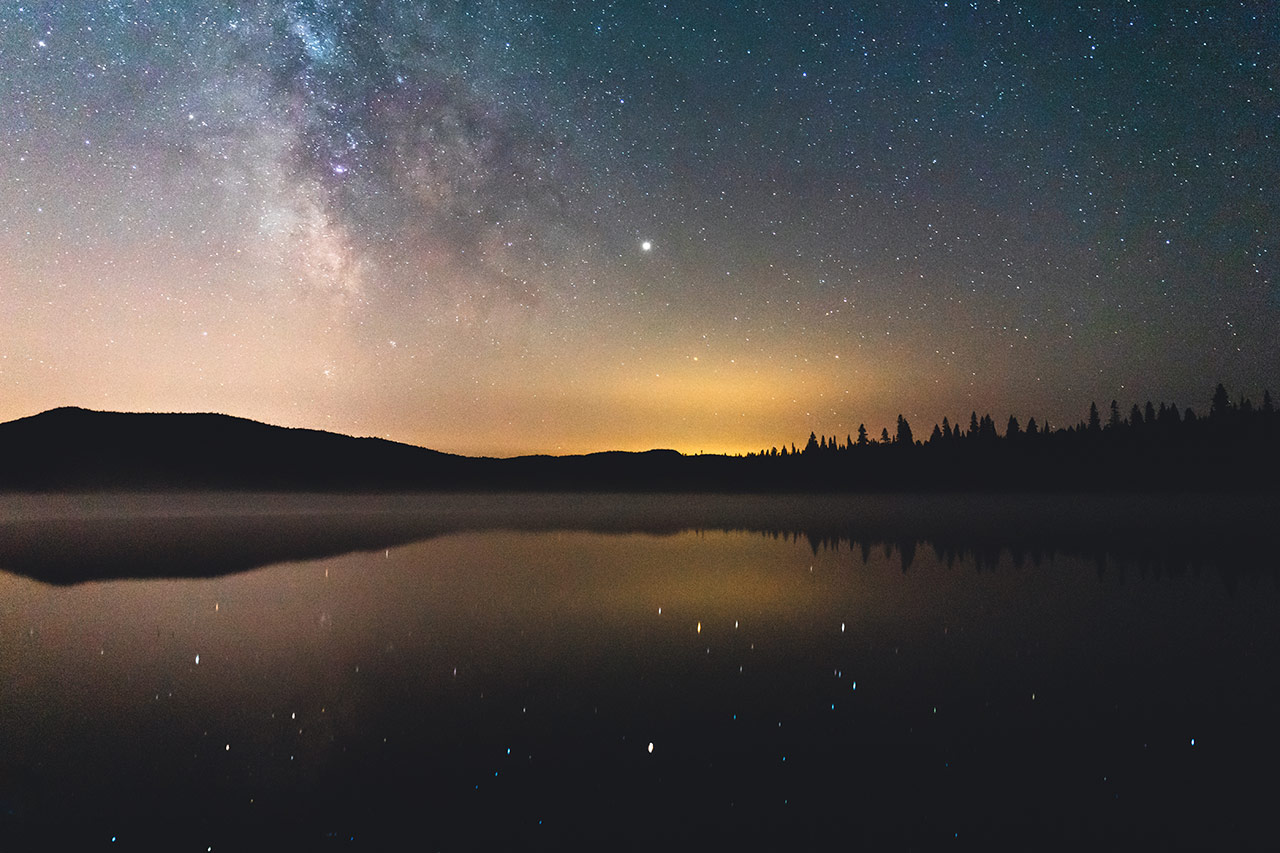
In both cases, the result is visible above our heads: we see far more stars, the Milky Way shows its stuff, and we rediscover a sky that we’ve lost in large urban centres.
Parc national de Frontenac
Stargazing from Grand Lac Saint-François
Straddling the Eastern Townships and the Chaudière-Appalaches region, Parc national de Frontenac borders Grand Lac Saint-François, the third-largest lake south of the St. Lawrence River.
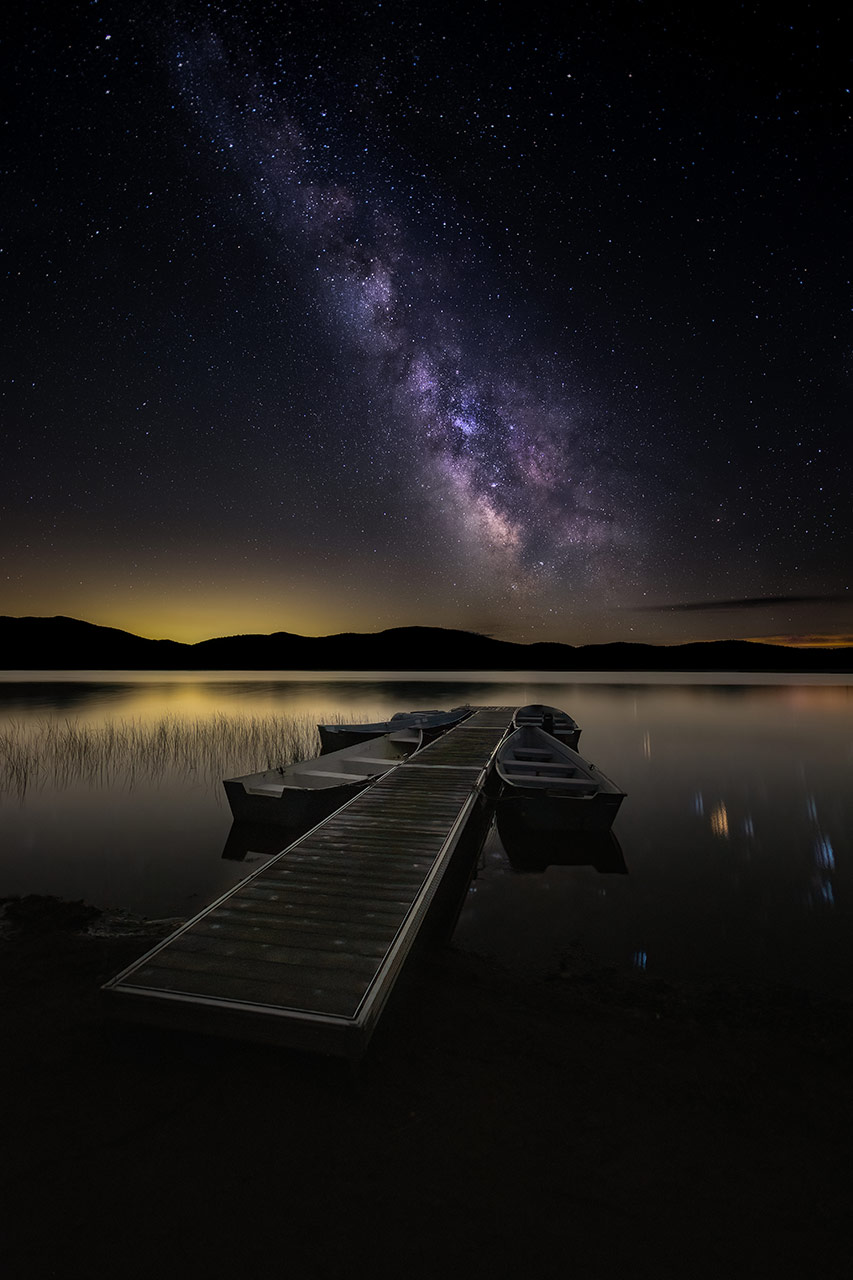
The latest addition: the park’s first floating stargazing platform, located at Camping de la Baie Sauvage. A boardwalk leads to the lookout on foot, about twenty metres from the shore. You step out of the forest canopy, settle in above the water, and nothing disturbs the horizon.
As the park works toward obtaining International Dark Sky Park certification, one thing is already clear: you don’t need a mountain to get closer to the stars. Sometimes, a lake is enough.
When to watch the Perseids
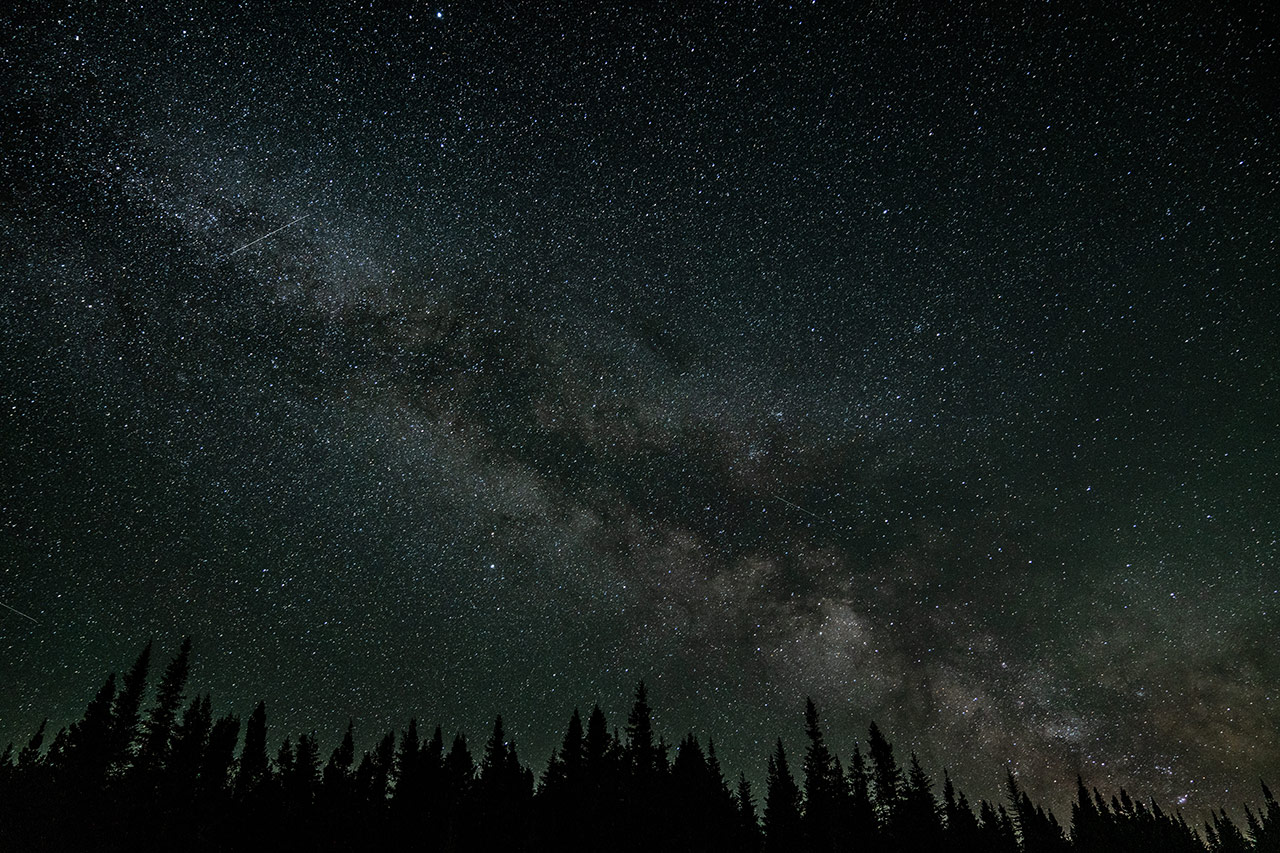
The main event will take place primarily on the night of August 12–13, but the nights before and after will also offer plenty to see. The icing on the cake: on August 12, in the early afternoon, a partial solar eclipse should be visible throughout Québec. To fully understand the phenomenon, our post on stargazing during the Perseids – prepared in collaboration with an astronomy guide and educator from Parc national du Mont-Mégantic – covers everything you need to know.
Spending the night under the stars
Most of our accommodations – from campgrounds to cabins—are located far from urban light pollution; the sky is darker there, and the stars are more numerous. Staying on-site also means treating yourself to the best hours of the show without having to hit the road in the middle of the night. There’s still plenty of availability for the Perseids.
Then, all you have to do is stretch out and let your eyes adjust to the darkness. Listen to the silence. And wait for the next shooting star.