Hello, otters
Sea otters will soon be arriving at Aquarium du Québec, in the summer of 2026 to be exact. Come see them in their new tanks, where you’ll be immersed in their fascinating world!
They’re coming soon
On par with the world’s leading zoological institutions, the new space dedicated to otters offers incredible lookouts—both above and below the water—to observe our new residents. You’ll have the pleasure of watching sea otters thrive in a captivating environment. It doesn’t get any more immersive than this—unless you can swim!
A fascinating species
Meet Mak, Tazlina, Hardy and Quatse, our sea otters from the Vancouver Aquarium Marine Mammal Rescue Centre. Discover the story of each of these marine mammals—intelligent, resourceful, endearing, and sometimes even a little pesky!
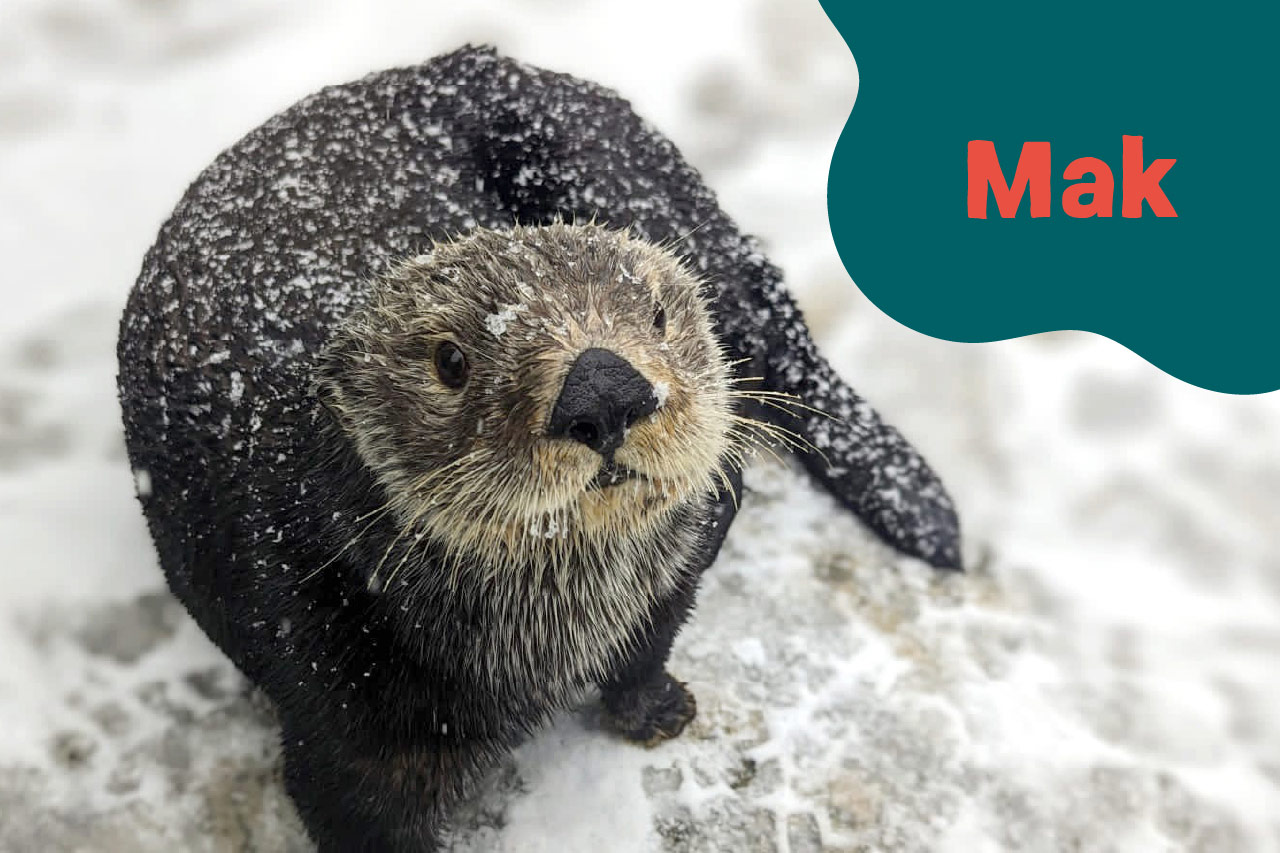
Mak
Mak is the most laid-back of the bunch. Found in Alaska on February 19, 2016, he owes his name to Kachemak, the region where he comes from. With his deliberate movements and easygoing nature, he can seem both completely in control… and completely at a loss at the same time.
Mak loves routine and doing things at his own pace, whether it’s floating on his back, sleeping in the sun while shielding his eyes, or licking his paw to fall asleep. Calm, steady, and endearing, he’s the master of lazing around—the sea otter way.
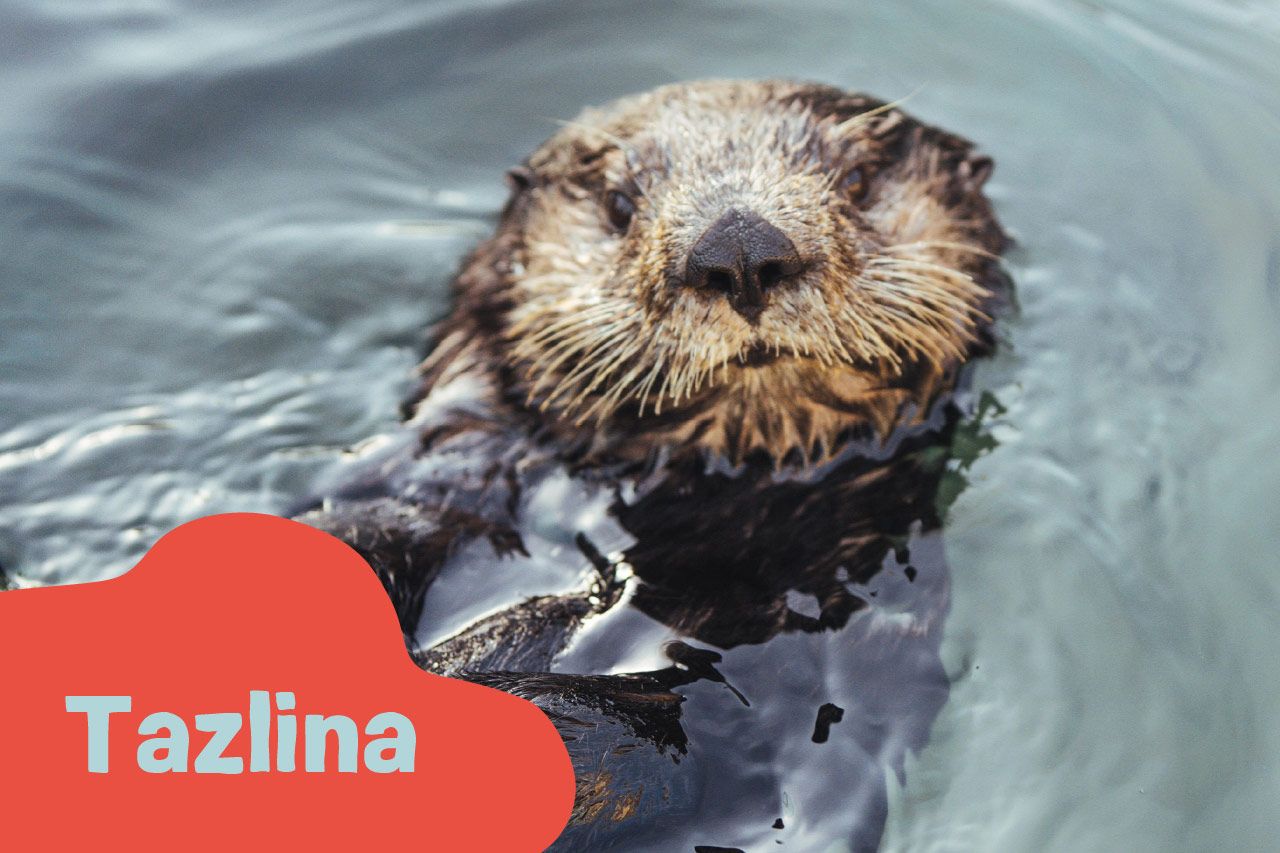
Tazlina
Tazlina—or Taz—was taken in by the Vancouver rescue centre on April 9, 2019, shortly after her birth. Her Athabaskan name describes fast-moving waters, like those of the Tazlina River in Alaska.
Energetic, confident, and attentive to the smallest details, Taz stands out above all for the quality of her grooming. More vain than the average otter, she can spend up to six hours a day tending to her fur. Let’s just say that Taz likes to look her best in front of her visitors.
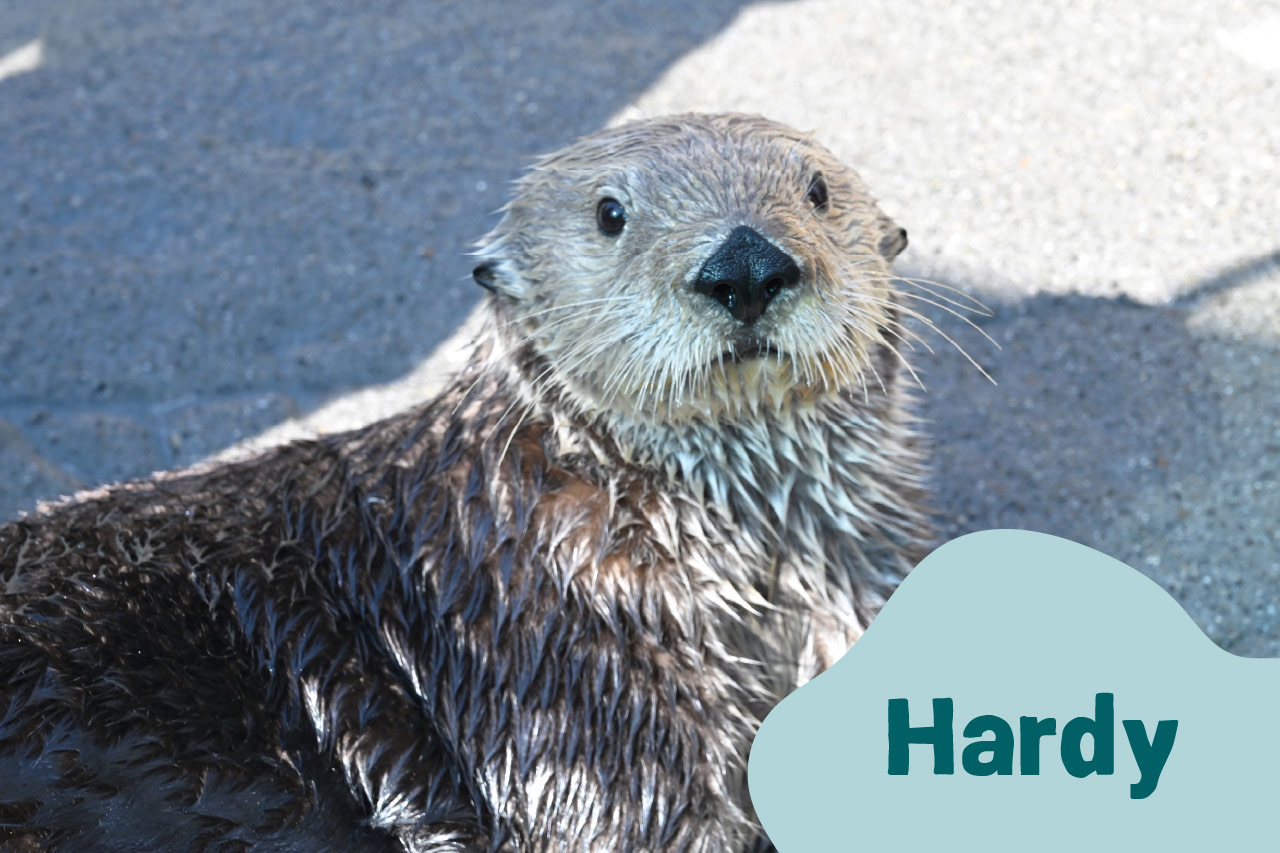
Hardy
Meet Hardy: a survivor with pale fur and a colourful personality. Rescued on June 25, 2017, when he was still very young, he received round-the-clock care during the first months of his life. His name recalls Port Hardy, where he was found, and also evokes the courage—the resilience—he has shown ever since.
Today, Hardy is one of the most sociable members of the group. Curious, playful, and always on the move, he loves to explore, play with toys, and test boundaries… especially when there are treats around.
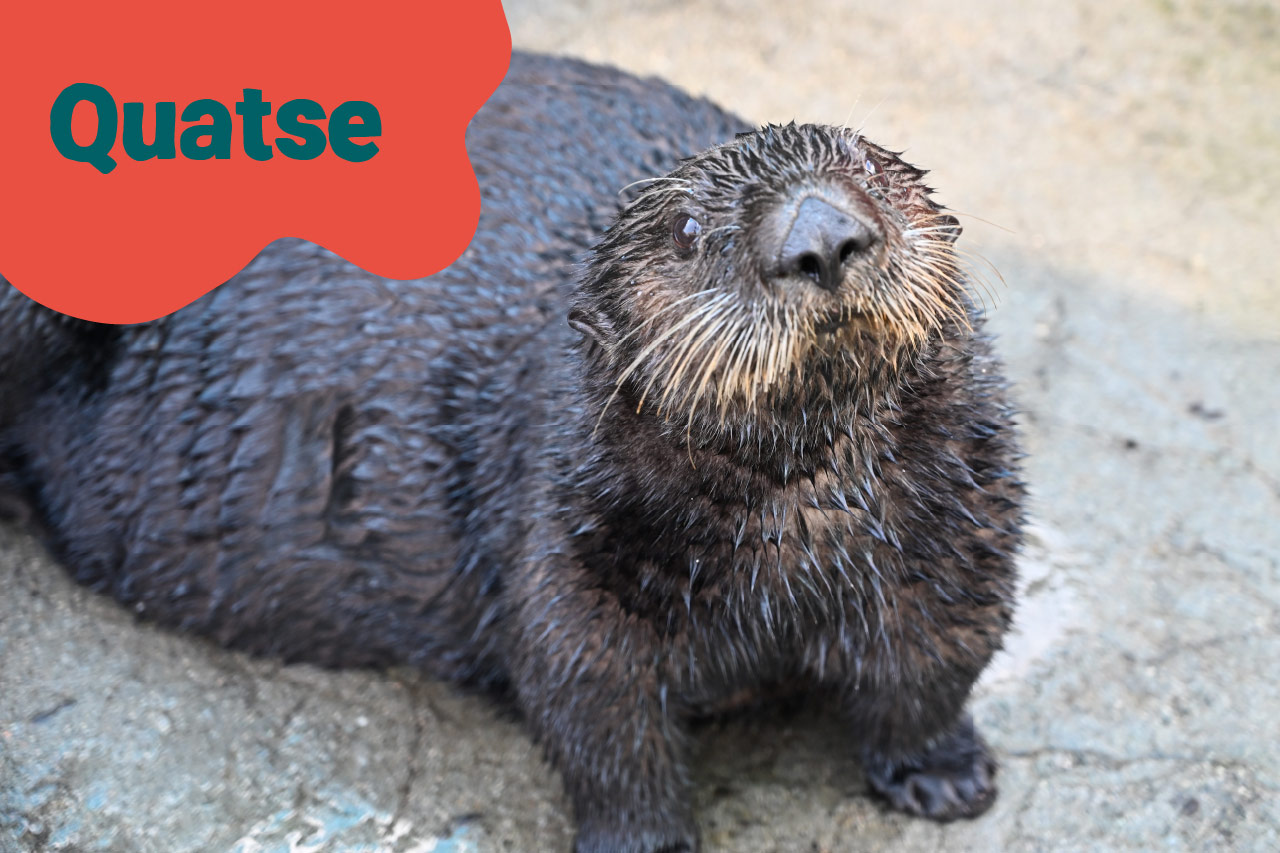
Quatse
Rescued on March 7, 2021, near the river she’s named after, Quatse is a real ball of energy. She moves so much air that we call her the little tornado.
Playful and creative, she turns everything into a game. She makes music by banging her toys, shakes a ball filled with shells, and wraps herself in kelp while spinning around. With Quatse, there’s always something going on. She’s constantly finding new ways to have fun.
All the rescued sea otters were saved and looked after at a very young age. They were evaluated and deemed unsuitable for release back into the wild.
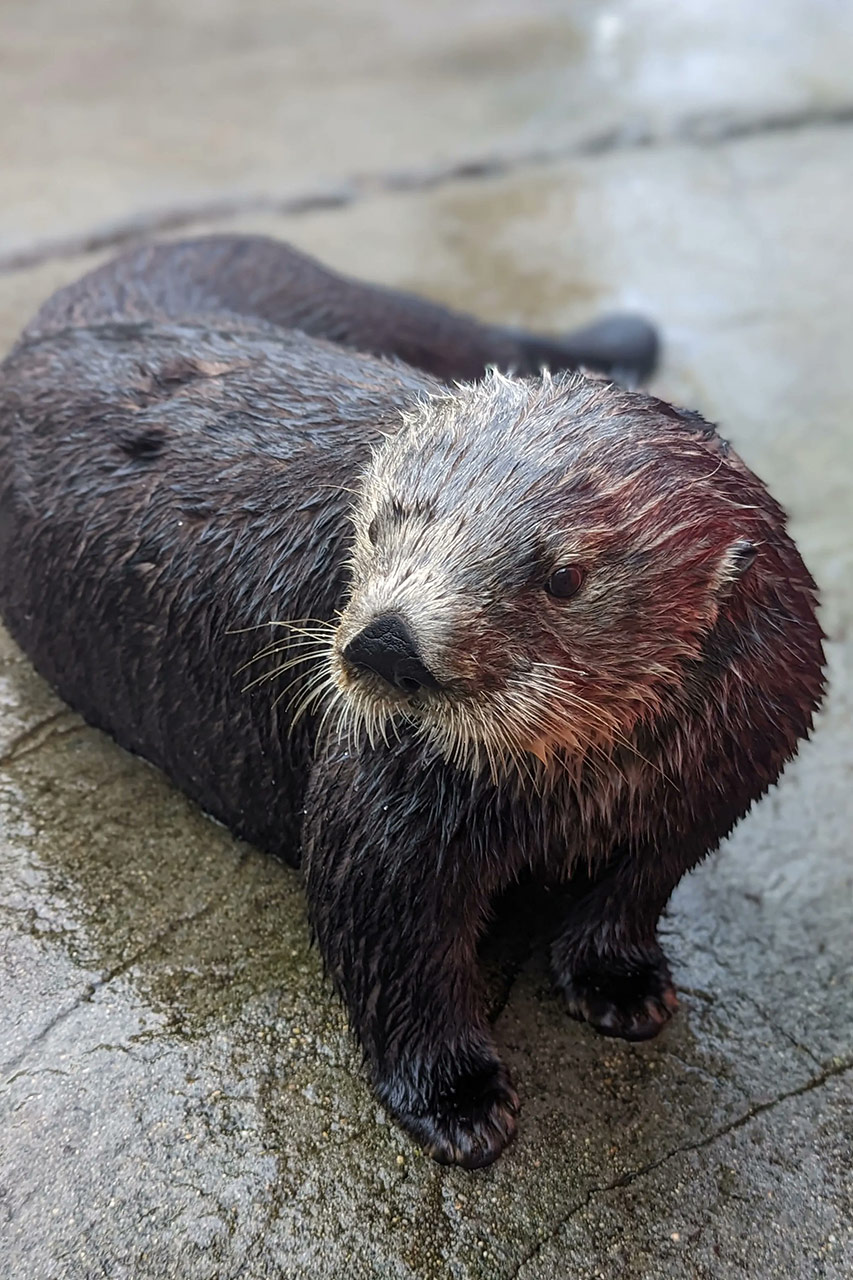
Did you know?
Here are some highlights about the otter, a species with a naturally playful nature and remarkable intelligence.
- Species: Northern Sea otter
- Origin: North Pacific
- Habitat: Reefs, kelp forests, coastal areas
- Diet: Sea urchins, clams, mussels, crabs
- Metabolism: Eats 20 to 25% of its body weight daily to maintain body heat
- Fur: Among the densest in the animal kingdom (up to 100,000 hairs/cm²)
- Skill: Uses tools (such as rocks) to crack open its prey
- Distinctive feature: Carries food and tools in pouches under its front paws
- Social behaviour: Sleeps by floating in groups (a raft)
- Role: Protects kelp forests by controlling sea urchin populations
Also worth exploring
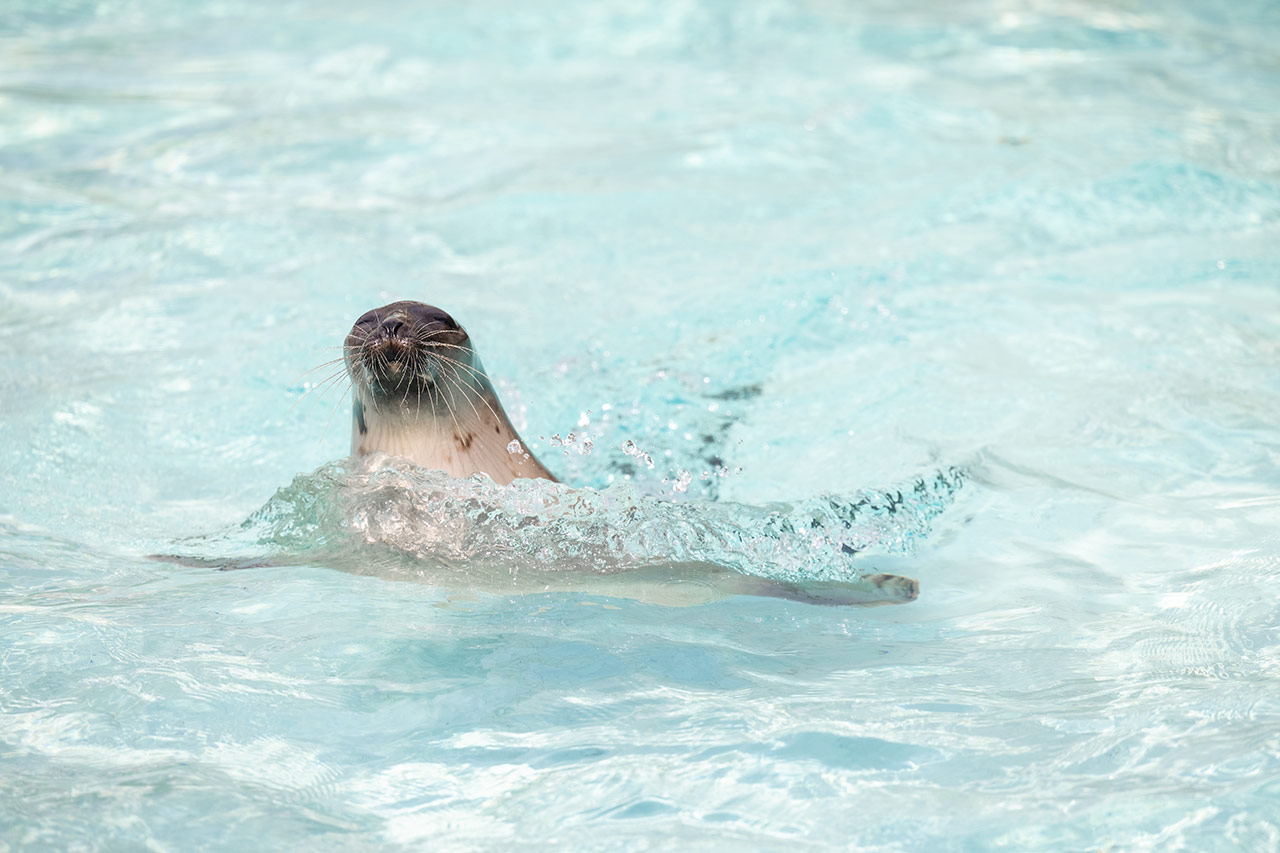
New habitats for the seals
Also an integral part of the Louphoque space, our harbour seals will enjoy new habitats right next to the sea otter pools on our central island.
Cléo, Nicky, Daphné, Daïla, and the newest addition, Nina, already seem to love their new environment!
Get inspired
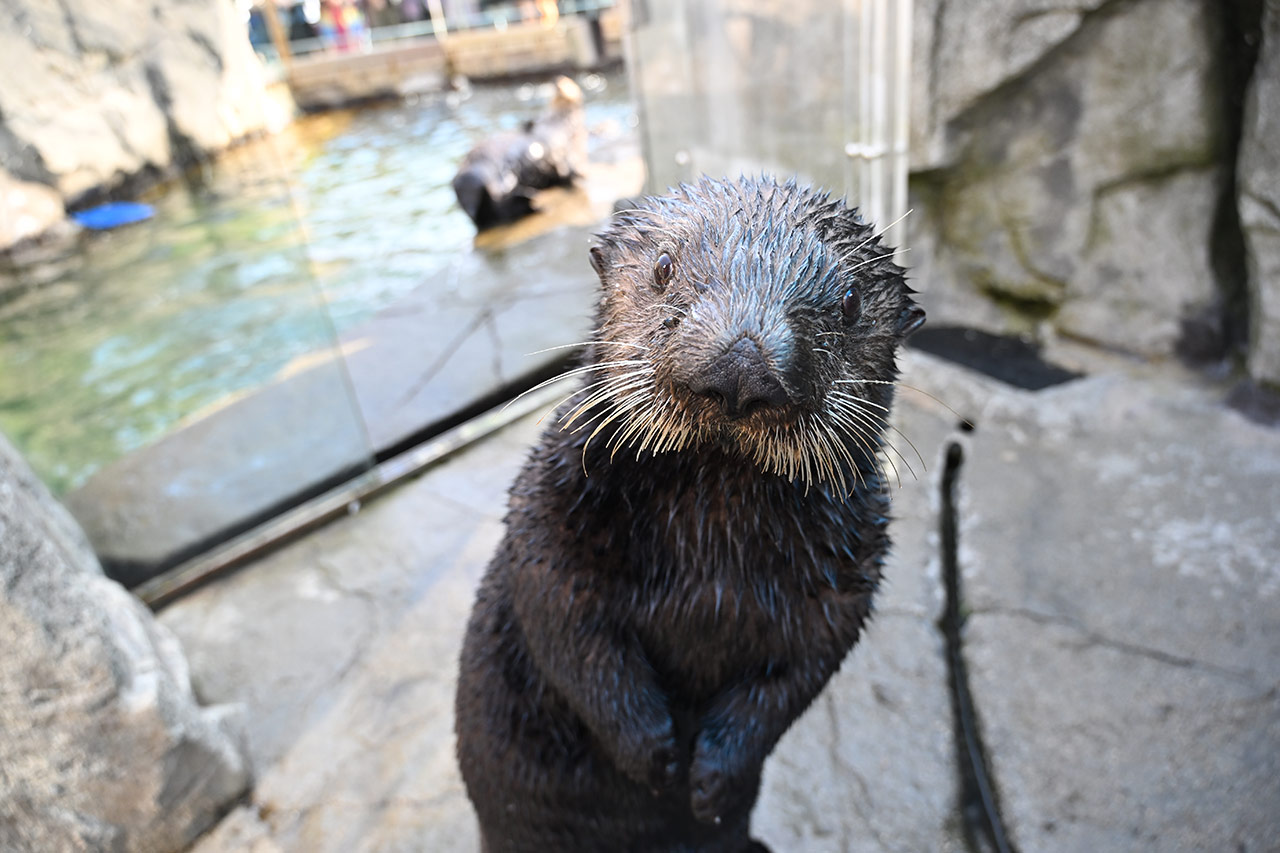
From elephants to sea otters
Lorrayne’s inspiring journey
At Aquarium du Québec, our trainers often have fascinating backgrounds, but Lorrayne Gabrielle Dias Dantas’s is particularly so. From the Brazilian savanna to the shores of the St. Lawrence River comes a passionate woman you’ll want to meet as she prepares for one of the biggest challenges of her career: the arrival of the sea otters!